
·Insurance
Hail Damage: What NJ Insurance Actually Covers (and What Gets Claims Denied)
Hail damage claims in NJ are denied more often than approved. Here's what your policy really covers, the most common reasons claims fail, and exactly how to document a claim that gets paid.
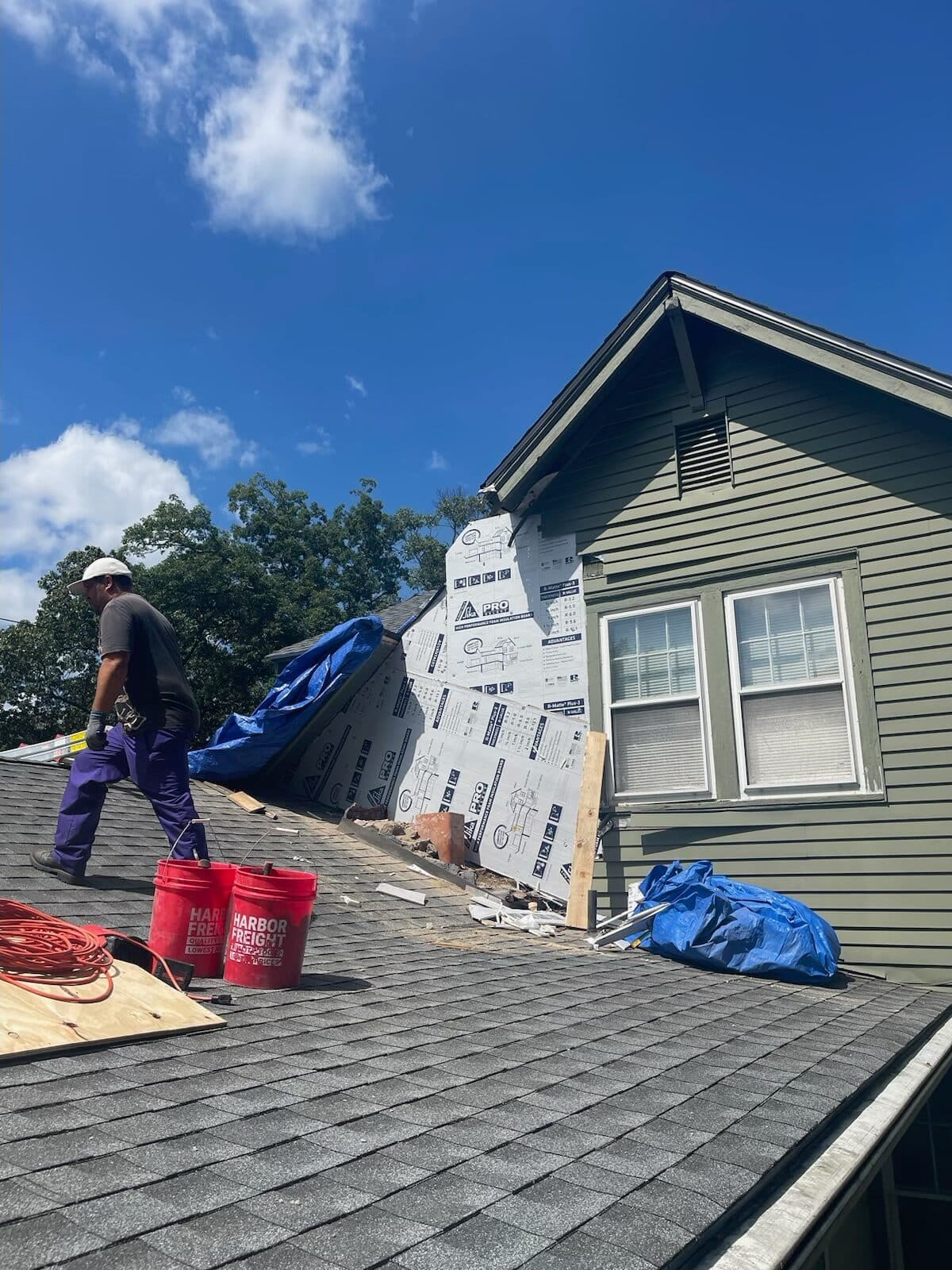
Hail is the most common storm damage type we see in NJ — and the most commonly denied insurance claim category. Insurance carriers know hail damage is hard for homeowners to prove and easy to attribute to age, pre-existing wear, or unrelated causes. The result: many legitimately damaged homes don't get the coverage they're entitled to because the homeowner didn't document properly or didn't push back on initial denials.
Understanding how hail damage actually works, what your policy really covers, and how to navigate the claims process correctly is the difference between a denied claim and a paid roof replacement. This guide walks through everything you need to know — and where a knowledgeable contractor adds value to the claims conversation.
What Hail Actually Does to Asphalt Shingles
Hailstones above 1 inch in diameter (about the size of a quarter) typically cause damage to asphalt shingles. The damage takes several forms depending on hail size and storm severity:
- Granule loss in concentrated impact spots. Each hailstone knocks granules off where it hit, creating small dimples or bald spots scattered across the roof in a random pattern. This is the most common visible damage.
- Cracked or broken shingle mat. Larger hail (1.5 inches and up) can crack the fiberglass mat under the asphalt, creating internal damage even when the surface looks intact.
- Lifted or loosened seal strips. Hail impacts can break the bond between shingle courses, leaving the seal strip compromised even without visible surface damage.
- Damaged metal components — bent gutters, dented vent caps, damaged flashing.
The structural impact of hail damage is larger than the visible damage suggests. Even small granule loss accelerates aging — the exposed asphalt below the missing granules degrades much faster from UV exposure than the surrounding granulated areas. A hail-damaged shingle can age 5–10 years' worth in just a few months if not repaired or replaced.
This is why even 'cosmetic' hail damage matters: it shortens roof life significantly, even if it doesn't cause immediate leaks. Insurance policies recognize this in most cases, but the cosmetic-only damage exclusion (covered below) is becoming more common.
What's Covered Under Most NJ Policies
Sudden physical damage to your roof from a specific hailstorm event is generally covered under standard NJ homeowner policies. Coverage typically includes:
- Material and labor for roof replacement or repair, depending on the extent of damage.
- Related interior damage if the hail event caused water entry (ceiling drywall repair, insulation replacement).
- Damaged metal components — gutters, vent caps, flashings.
- Sometimes screens and skylight glass if damaged.
Coverage is typically on a Replacement Cost Value (RCV) basis if you have RCV coverage — the carrier pays the full cost of replacing the damaged components with new materials of like kind and quality. Some policies pay on Actual Cash Value (ACV) basis, which is replacement cost minus depreciation — significantly less for older roofs.
Standard requirements to qualify for coverage: damage must be from a specific identifiable storm event (not gradual wear), reported within the policy's notice period (typically 30–60 days from the date of loss), and verified by an adjuster before any repair work begins.
The Most Common Reasons Claims Are Denied
Insurance carriers deny hail claims for several recurring reasons:
1. Damage Attributed to Age or Wear Rather Than the Storm
The most common denial reason. On roofs over 15 years old, adjusters often write the visible damage off as 'normal aging' — granule loss that would have happened anyway, weathering that pre-dated the storm. Sometimes this is legitimate (an old roof would have failed soon regardless); often it's incorrect (the storm caused concentrated new damage on top of existing wear).
Counter-strategy: contractor scope that distinguishes pre-existing wear from storm-specific damage. A trained eye can tell the difference — hail damage has a specific impact pattern that's different from age-related wear.
2. Lack of Documented Hail Event in the Area
Some adjusters check NOAA storm data for confirmed hail events at your specific location. If there's no record of hail in your zip code on the date you claim, the claim gets denied — the carrier argues 'no hail event occurred, so the damage isn't from hail.'
Counter-strategy: pull NOAA Storm Prediction Center data showing hail events in your area within the timeframe. We do this for every NJ hail claim we work on — official weather data confirming the event is hard for the carrier to argue against.
3. Damage That's Purely Cosmetic
Some NJ policies have endorsements (often added at renewal in recent years) that exclude cosmetic-only damage. If your policy has this exclusion, the threshold for coverage becomes much higher — only damage that affects the roof's waterproofing function is covered.
Counter-strategy: read your declarations page carefully before filing. If you have the cosmetic exclusion, focus the claim on functional damage rather than appearance — granule loss that accelerates aging, mat cracks that compromise waterproofing, seal-strip damage that allows wind uplift.
4. Pre-Existing Damage Not Disclosed at Underwriting
If the carrier suspects damage was already present when the policy was issued or renewed, they may deny on grounds that you concealed material information. Common on policies where the prior owner had unaddressed damage and the new homeowner inherits both the damage and the carrier's suspicion.
Counter-strategy: pre-policy inspection records (from the home purchase) showing roof condition at the time can establish that current damage is post-policy. We can sometimes pull this from public records or seller's disclosure documents.
5. Missed Reporting Deadline
Policies require notice of loss within a specific timeframe — typically 30–60 days, sometimes shorter. Reports filed after the deadline can be denied even if the damage is clearly covered.
Counter-strategy: don't wait. Report any storm-related damage to your carrier within days of the event, even if you're not sure how bad it is. The notice can always be withdrawn if it turns out there's no damage; missed deadlines can't be undone.
What Gets a Claim Approved
The steps that consistently lead to approved hail claims in NJ:
- Document promptly. Photos with date-stamp metadata, within days of the storm. Cover the whole roof, not just visible damage. Multiple angles. Time-stamped video walking around the property is also strong evidence.
- Get an independent contractor inspection BEFORE the insurance adjuster shows up. Our scope serves as the homeowner's counter-evidence to whatever the adjuster writes. Adjusters are working for the insurer, not for you — having your own scope balances the conversation.
- Confirm a hail event in your specific area via NOAA data. We pull this for every NJ claim. Official weather records make 'no storm event' denials impossible.
- Meet the adjuster on-site. Walk the roof with them. Point out the damage we documented. Make sure nothing gets missed in their estimate.
- Review the adjuster's estimate line-by-line against our scope. Push back on any missing items or under-priced repairs with a written supplement explaining the discrepancy.
- Use the appraisal clause if there's a fundamental scope disagreement. Most policies include this option for resolving disputes between contractor scope and adjuster estimate.
The 'Cosmetic Damage' Exclusion Trap
If you have the cosmetic damage exclusion on your policy, the rules change. Coverage now depends on whether damage affects function, not appearance. Specifically:
- Granule loss that doesn't yet affect waterproofing might be deemed cosmetic and denied.
- Concentrated bald spots that expose asphalt and accelerate aging should still qualify — they affect future waterproofing.
- Mat cracks (visible only on closer inspection) affect immediate function and qualify.
- Seal-strip damage affects function and qualifies.
If you have the exclusion, the scope you submit needs to focus on functional damage rather than appearance. A knowledgeable contractor can frame the same damage in different ways depending on what the policy covers.
What We Do for NJ Hail Claims
When you call us after a hailstorm, our standard process:
- Free documentation inspection.
- Written scope with photos detailing every damaged element and the appropriate repair scope.
- NOAA weather data pull confirming the hail event date and location.
- Help preparing for the adjuster visit.
- On-site meeting with the adjuster when they come out — we walk the roof with them and make sure they see what we documented.
- Review of the adjuster's estimate against our scope. A written supplemental estimate for you to submit if documented damage was left out.
- Execute the repair or replacement work after claim approval.
- Completion paperwork — certificate of completion and photos — for you to send your carrier when you request the held-back depreciation.
Our typical hail claim work is paid by the insurance carrier (after your deductible). We handle the documentation, the written scope and the adjuster meeting; you file the claim and settle it with your insurer. Call (201) 779-3961 after any hail event — even if you're not sure damage is present, the inspection is free and the early documentation matters.
Last updated
Need Help With This?
We provide free, no-obligation inspections across New Jersey. Honest assessment, photo report, and a written estimate.