
·Materials
Roof Ventilation 101: Why Your New Jersey Roof Needs to Breathe
Most NJ homes have inadequate roof ventilation — and most homeowners have never heard the term 'balanced ventilation.' Here's the plain-English version of how it should work and why it determines whether your roof lasts 18 years or 30.
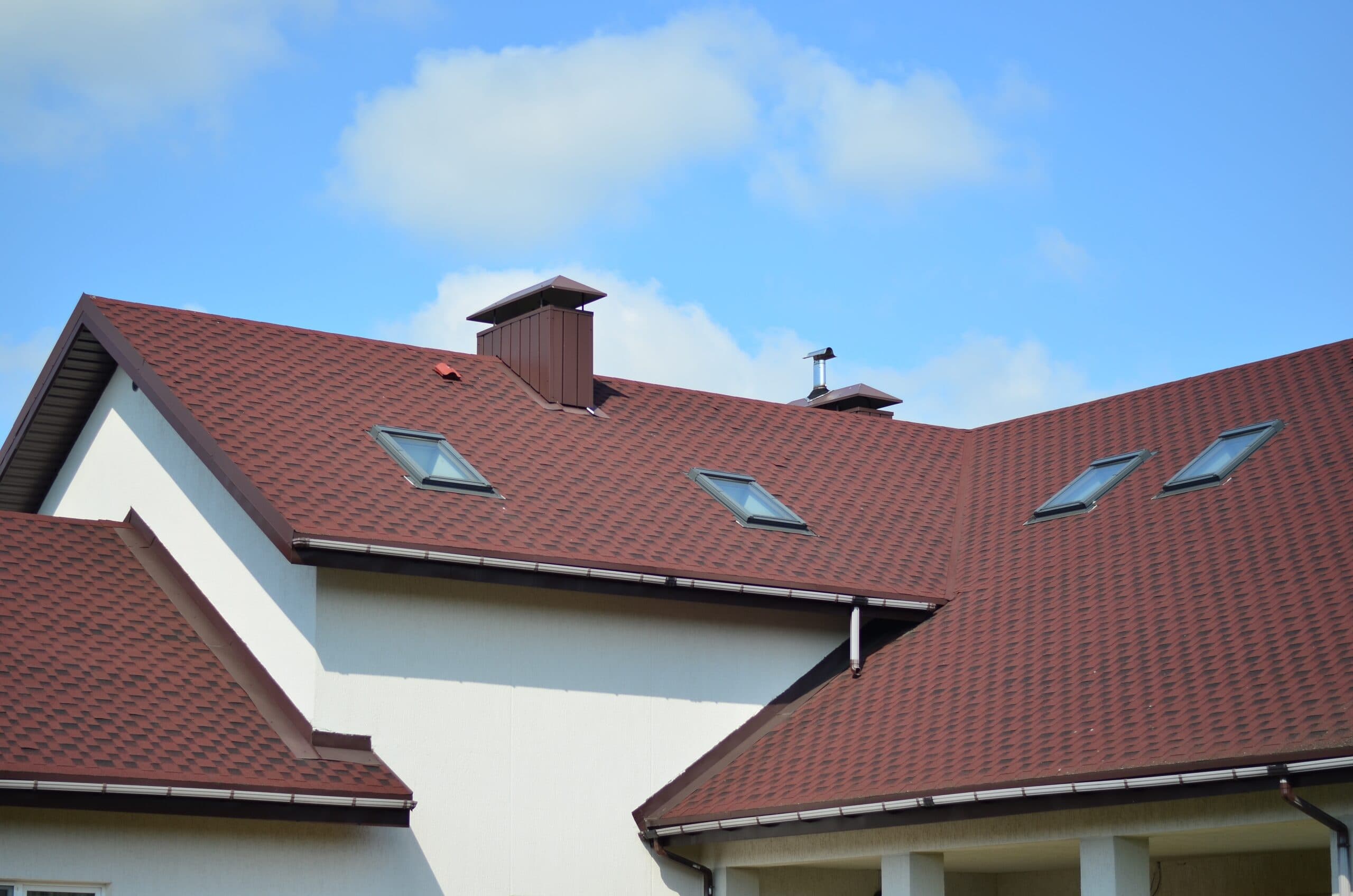
Ventilation is the single most misunderstood part of a roof system. Most NJ homes have ventilation that's either inadequate, unbalanced, or installed wrong — and the result is shorter roof life, higher cooling bills, chronic ice-dam problems in winter, and moisture problems in the attic that can affect both indoor air quality and structural materials.
What makes ventilation hard to talk about is that it's invisible. You can see shingles. You can see flashing. You can't see whether air is moving through your attic at the right rate — but the consequences of that air not moving show up everywhere from your roof life to your electric bill. Here's the plain-English version of how attic ventilation should work, the common ways it fails, and what fixing it actually looks like.
What Balanced Ventilation Does
A properly ventilated roof has continuous airflow from the bottom (soffit vents at the eaves) up to the top (ridge vent along the peak), running through the attic space in between. Cool outside air enters at the soffits, warms as it rises through the attic, and exits at the ridge — carrying heat and moisture out with it.
The flow keeps the attic temperature close to outdoor temperature year-round. In summer, that means the attic doesn't get baking hot. In winter, that means the attic stays cold, snow on the roof stays frozen, and ice dams don't form. The same mechanism handles both seasons because the same airflow keeps the attic from accumulating heat regardless of source.
Without continuous flow, none of that works. Heat builds up, moisture accumulates, and the attic becomes a microclimate that ages everything inside it — including the roof above it. Insulation alone, no matter how thick, can't compensate for the lack of airflow because insulation slows heat transfer but doesn't get rid of heat.
The 1/300 Rule (What NJ Code Requires)
The International Residential Code (which NJ follows) requires 1 sq ft of net free vent area per 300 sq ft of attic floor, split roughly 50/50 between intake (soffit vents) and exhaust (ridge or gable vents). For a 1,500 sq ft attic, that's 5 sq ft of total vent area — 2.5 at the soffits and 2.5 at the ridge.
'Net free vent area' is the actual unobstructed opening, not the rough size of the vent. A 16x4 inch aluminum soffit vent might have only 50 square inches of net free area after accounting for the screen and louvers. Manufacturer spec sheets list the net free area for each vent product.
Most older NJ homes have nowhere near the 1/300 requirement. Many newer homes have it on paper at construction time but soffit vents get blocked by insulation when insulation is added later — turning calculated airflow into nothing.
Common Ventilation Failure Modes
When we audit ventilation systems on NJ homes, we typically find one or more of these problems:
1. Soffit Vents Blocked by Insulation
Common when blown-in insulation was added later (often as part of an energy-efficiency upgrade) without proper baffles to keep the insulation away from the soffit area. Result: soffit vents are open from outside but choked from inside, so air can't enter the attic.
Fix: install ventilation baffles between rafters at the eaves — these are rigid foam or cardboard channels that keep insulation pushed back away from the soffit while allowing air to flow up from the soffit vent into the attic. Retrofit baffle install requires getting into the attic and working in the eaves, which is uncomfortable but straightforward.
2. Ridge Vent Installed but No Soffit Intake
Sometimes contractors install ridge vent during a re-roof but don't add or fix soffit intake. Air can't enter the attic, so it also can't exit through the ridge — the ridge vent just sits there looking decorative. Without intake at the bottom, no amount of exhaust at the top creates flow.
Fix: add soffit venting. Aluminum soffit vent strips can be cut into existing soffit material; cellular vents can be added to the underside of the soffit. Match the area added to the ridge vent exhaust area for balance.
3. Powered Attic Fans Short-Circuiting Passive Ventilation
Powered attic fans seem like an upgrade — actively pulling air out of the attic. In practice they often short-circuit the passive ventilation by creating negative pressure that pulls air from the path of least resistance. That path is sometimes through ceiling penetrations from the conditioned space below — meaning the fan is sucking your air-conditioned interior air out through the ceiling. Higher AC bills, no ventilation improvement.
Fix: in most cases, disable or remove powered fans and rely on properly designed passive ventilation. Powered fans can make sense in certain configurations (especially gable-end installations on homes that can't easily get a ridge vent) but require careful design.
4. Roof Exhaust Fans Mixed with Ridge Vents
When a powered exhaust fan and a ridge vent are both present on the same roof, they can short-circuit each other — the fan pulls air through the ridge vent (the nearest opening) instead of through the soffit-to-ridge path. Air just cycles through the top of the roof without flushing the attic.
Fix: pick one. Either ridge vent only (passive) or powered fan only with soffit intake. Don't run both.
5. No Exhaust at All
Some older NJ homes have intake (soffit vents) but no exhaust. The ridge wasn't cut for a ridge vent during the last roof, and there are no gable vents. Heat just builds up with nowhere to go.
Fix: cut a ridge vent during the next roof replacement (or as a standalone retrofit). On homes with multiple ridge lines, vent each one.
Why This Matters in Summer
A properly ventilated attic in NJ summer might run 90–100°F when outdoor temperature is 85°F. An unventilated attic regularly hits 140°F. That 40+ degree difference does several things:
- Ages asphalt shingles 2–3× faster. Roof rated for 30 years might be at end-of-life at 18–20.
- Makes your AC work much harder. A 140°F attic radiates significant heat down into the living space, increasing cooling load.
- Increases the temperature of stored items in the attic (insulation, ducts, anything you have up there).
- Reduces the effectiveness of attic-routed AC ducts. Cool air traveling through 140°F ductwork loses temperature on the way to the room.
The cooling cost savings alone from fixing ventilation typically pay back the retrofit cost in 5–8 years on most NJ homes. Combined with the roof life extension, the math is overwhelming.
Why This Matters in Winter
Same mechanism, different season. A cold attic keeps the snow on the roof frozen and prevents ice-dam formation. A warm attic melts the snow against the deck, the melt water runs down to the cold eaves, and you have an ice ridge backing water into your house.
Inadequate ventilation is the root cause of most ice-dam problems we respond to. Air sealing and insulation help, but ventilation is the system that actually keeps the attic temperature stable through winter. Homes with chronic ice dams almost always have inadequate ventilation, and fixing the ventilation usually solves the ice-dam problem permanently.
Bonus: Moisture Management
Beyond temperature, ventilation manages moisture in the attic. Bath fans, kitchen exhaust, dryer vents, and even simple vapor diffusion through ceiling drywall all add moisture to the attic space. Without ventilation to remove it, the moisture accumulates — promoting mold, rusting metal fasteners, damaging insulation, and rotting framing.
Attics with chronic moisture problems often have inadequate ventilation as the underlying cause. Adding ventilation removes the moisture before it can do damage.
How to Diagnose Your Own Ventilation
Some quick self-diagnostic tests:
- Climb into the attic on a sunny summer afternoon. If it feels significantly hotter than outdoor temperature, ventilation isn't working.
- Look at the underside of the soffit from outside. Are soffit vents present? Are they clear, or filled with old paint, debris, or insulation visible through the slots?
- Look up at the ridge of the roof. Is there a continuous ridge vent (a horizontal strip running the length of the roof peak)? Or just shingles all the way across the ridge?
- Inside the attic, look at the soffit area. Are baffles in place between rafters keeping insulation away from the vents? Or is insulation pushed up against the underside of the roof deck at the eaves?
- Check for signs of moisture in the attic — frost on cold mornings, water staining on the deck, musty smell. All indicate ventilation problems.
What a Proper Retrofit Looks Like
If your ventilation is inadequate, the retrofit work usually includes:
- Cut a continuous ridge vent slot along the roof peak. Install Cobra ridge vent (or equivalent) along the full length.
- Cap with shingle-style ridge caps to match the existing roof.
- Open and clear all soffit vents from outside. Add more soffit venting if existing intake area is insufficient.
- Inside the attic, install ventilation baffles between rafters at the eaves to keep insulation away from the soffit air path.
- Disable or remove any powered attic fans that are short-circuiting the passive flow.
- Re-route any bath fans or kitchen exhausts that vent into the attic so they vent through the roof to outside.
On most NJ homes, this is a 1–2 day project as a standalone retrofit, or essentially zero added time as part of a roof replacement. The marginal cost when paired with a re-roof is small; the payback is significant.
What We Do on a Tri-State Install
Every roof replacement we quote includes a ventilation review. We calculate the net free vent area on your specific home, compare to the 1/300 code requirement, and spec the fix into the new roof if needed — typically Cobra ridge vent paired with soffit-vent retrofit. The marginal cost shows on the estimate so you see exactly what you're paying for, and the roof-life impact is part of the long-term value.
If you're not planning a roof replacement soon but want a ventilation audit, we provide standalone ventilation inspections free across our NJ service area. We'll measure the current vent areas, identify the failure modes, and write up a scope for retrofit if appropriate. Call (201) 779-3961 or use our online quote form.
Last updated
Need Help With This?
We provide free, no-obligation inspections across New Jersey. Honest assessment, photo report, and a written estimate.