
·Materials
Shingle Color Choice: How to Pick a Roof Color You Won't Regret in 5 Years
Choosing shingle color seems like a quick decision until you remember you're stuck with it for 25+ years. Here's the practical 7-step framework we walk every NJ homeowner through.
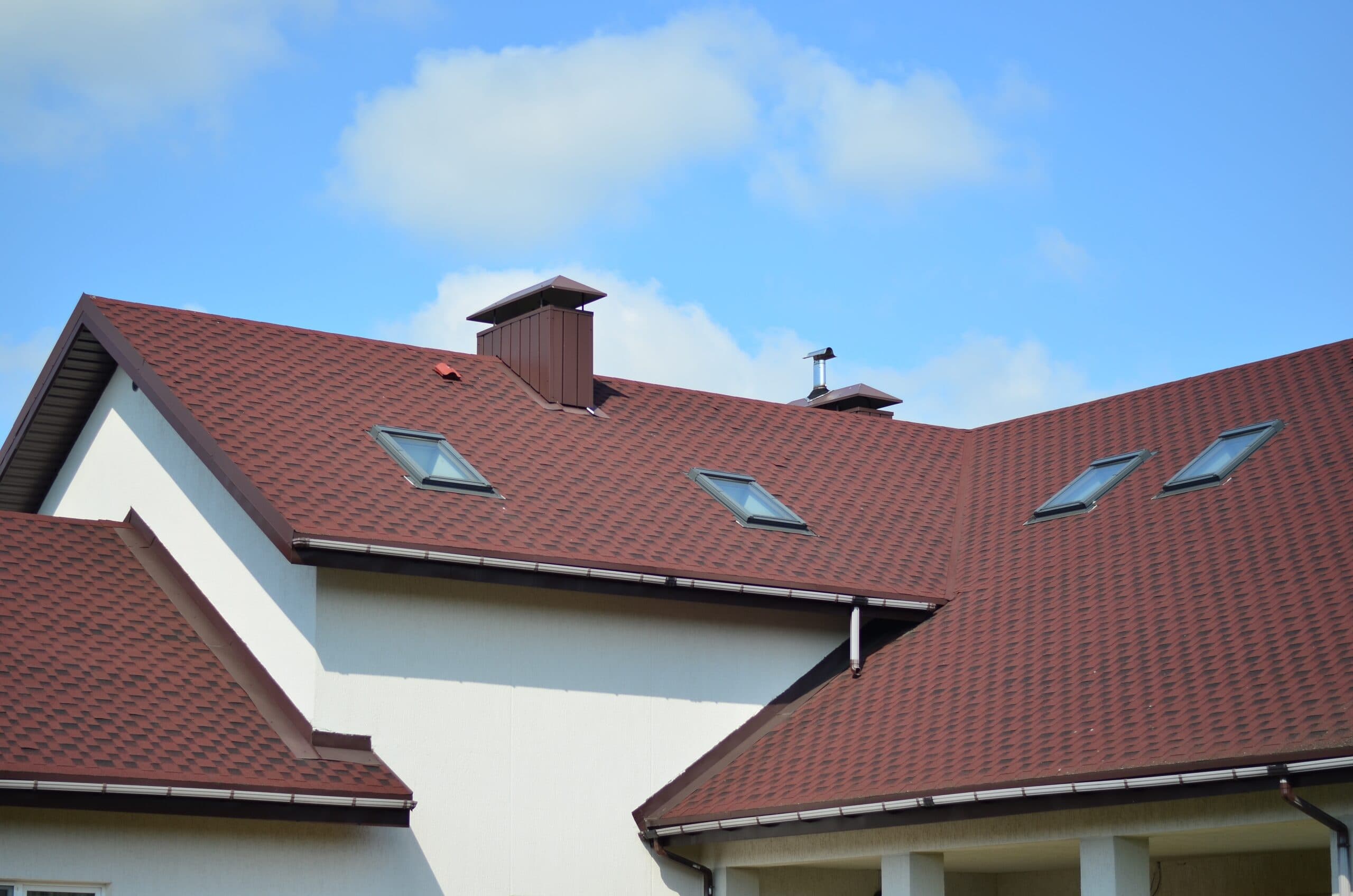
Most homeowners spend more time choosing paint colors for one bathroom than choosing the shingle color for an entire roof — even though the roof is on the house for 25+ years and the paint comes off in a weekend. The asymmetry is huge: you can repaint a wall on a Saturday afternoon. You cannot easily change shingle color once the roof is installed. The decision deserves more deliberation than most people give it.
Here's the 7-step framework we walk every Tri-State client through when they're picking shingle color for a roof replacement. It's designed to surface the considerations that matter and prevent the most common regret — picking a color that looked good on the manufacturer's color chip but doesn't read well on your actual house in actual lighting.
1. Start with the Existing Palette
Look at what's already permanent on the house — brick color, stone facade, window frames, siding color, trim color, garage door, porch material. The shingle color should complement these elements, not fight them. The roof is the largest visible color on the house from street view, but it's not the only one — and the wrong shingle color can clash with the rest of the palette in ways that look 'off' even if you can't immediately identify why.
Some classic combinations that consistently work in NJ:
- Red-brick colonial: dark grey, charcoal, or weathered wood roof. The contrast against red brick is dramatic without clashing.
- Yellow or cream clapboard farmhouse: weathered wood, hickory, or warm brown roof. Warm-tone roof on warm-tone siding.
- Grey or blue-grey siding (modern or coastal): charcoal black or slate grey roof. Cool tones with cool tones.
- White or cream stucco: warm-toned roof (brown, terracotta, or weathered wood) to add visual warmth to an otherwise cool palette.
- Stone facade with mixed tones: pick up one of the stone colors in the shingle — typically grey or brown depending on the stone.
2. Climate Consideration — Darker vs Lighter
Darker shingles absorb more solar radiation and run hotter in summer than lighter shingles — roughly 10°F hotter at the shingle surface. The temperature difference affects:
- Attic temperature in summer (and therefore cooling costs).
- Shingle aging rate — darker shingles age slightly faster from heat exposure.
- AC load — darker roofs put slightly more cooling demand on the system.
In NJ's climate, the cooling cost difference between a charcoal roof and a light grey roof is real but not dramatic — usually 3–7% on summer cooling bills. For most homeowners, aesthetic preference wins over efficiency optimization. If maximum energy efficiency is your priority, manufacturers offer 'cool roof' shingle lines (CertainTeed Landmark Solaris, GAF Timberline UHDZ Cool Series, Owens Corning TruDefinition Cool) that look like standard architectural shingles but have higher reflectance values.
3. Resale Value Angle
Most NJ neighborhoods favor traditional shingle colors — charcoal, weathered wood, slate grey, hickory brown. These are safe choices that don't limit your buyer pool when you sell the house. Unusual colors can work on the right house but narrow the resale audience:
- Green roofs: work on a few specific aesthetic styles (Victorian, mountain cabin, Tudor) but read as dated or eccentric on most modern homes.
- Blue roofs: striking on coastal or modern architecture but very polarizing — many buyers will count it as a negative.
- Terra cotta or red roofs: appropriate for Spanish, Mediterranean, or Southwestern architecture; out of place on most NJ housing stock.
- Multi-tone or color-blend designer shingles: tasteful versions work; loud versions can date quickly.
If you plan to live in the house long-term and your preference is an unusual color, choose what you love — the house should reflect your taste. If you're picking a roof you might be selling in 10 years, stay in the safe zone of charcoal, weathered wood, slate grey, or hickory unless your house style specifically calls for something else.
4. Test in Sun and Shade
Pick three sample shingles you're seriously considering and lay each one on the existing roof for a day. Look at how they read in:
- Direct morning sun (eastern exposure).
- Mid-day overhead sun.
- Late afternoon sun (western exposure, often with warmer color cast).
- Overcast lighting — many roofs look different on cloudy days than sunny.
- Dusk and early evening — the color reads very differently when the sun is low.
The showroom color often looks different on actual roof exposure. A shingle that looked rich brown indoors might read flat tan outside; one that looked subtle grey indoors might read almost black outside in direct sun. Always test on the actual roof in actual light before committing.
5. Don't Pick from a Tiny Chip
Manufacturer color chips in showroom binders are typically 2×3 inches — and asphalt shingles aren't single colors. Architectural shingles blend multiple granule colors to create depth and shadow, and the blend pattern only becomes visible at full shingle scale (roughly 12×36 inches per shingle, with 5×6 inch tabs visible after install).
Always order full-size shingle samples and look at them as complete shingles, not chips. We provide free full-size samples on every Tri-State estimate visit — bring the samples home, lay them in the locations on the roof you'd see most often, and live with them for a day before deciding. Most homeowners change their minds at least once during this process — and the change saves them years of regret looking at a color choice that didn't translate from chip to roof.
6. Match the Neighborhood (But Not Too Closely)
Drive your street with the shingle samples and notice what your neighbors have on their roofs. You want a color that fits the block's aesthetic without being identical to your immediate neighbor's roof. Visual variety on the block is good; being the one weird house with a clashing roof color isn't.
Some neighborhood patterns we see in NJ:
- Older colonial neighborhoods (1950s–1970s): heavy mix of weathered wood, hickory, and dark brown. Charcoal is also common. Stick to traditional palette here.
- Newer subdivisions (1990s–2010s): often standardized to charcoal or weathered wood by developer choice. You can deviate but be aware of HOA rules.
- Older streetcar-suburb neighborhoods (1900s–1930s): more variety, often with slate or slate-look roofs originally. Modern slate-look architectural shingles fit well.
- Modern/transitional neighborhoods: more freedom for darker or non-traditional colors.
Check HOA documents if you have one — some HOAs restrict color choices or require approval. Better to know before ordering shingles than after.
7. Consider Long-Term Appearance
Shingle color fades over time, but not all colors fade the same way:
- Darker colors (charcoal, dark brown): the UV fade is more visible. Year 1 charcoal can look noticeably different from year 15 charcoal, though both still look like charcoal.
- Mid-tone colors (weathered wood, hickory, slate): fade gracefully. These are forgiving over decades.
- Lighter colors (light grey, beige, light brown): fade less dramatically but tend to show algae streaking sooner on shaded slopes.
If algae growth is a concern (north-facing slopes under tree cover), look for shingles with built-in algae resistance — most major manufacturers offer this as a standard feature now (StainGuard from GAF, StreakFighter from Owens Corning, etc.). Algae resistance adds zero cost on most lines and pays off significantly in maintenance over the roof's life.
Common NJ Winners
Here are the colors we see NJ homeowners choose most often, and the ones we recommend most often:
- Charcoal Black or Pewter Gray for traditional colonials, especially with red brick or grey siding.
- Weathered Wood or Hickory for ranch and split-level homes, especially with warm-tone siding.
- Slate Grey for streetcar-suburb homes that want a slate-like look without slate cost.
- Mission Brown or Saddle Brown for farmhouses, mountain-style homes, and warm-tone palettes.
- Designer slate-look shingles (CertainTeed Presidential Slate, GAF Camelot II) for higher-end homes wanting the slate aesthetic.
Free Shingle Sample Visit
We bring shingle samples to every Tri-State estimate visit in NJ — full-size samples in all the colors you're considering, plus competitive options you might want to compare. We lay them on the roof, walk them through morning and afternoon light if scheduling allows, and help you narrow down the field. The visit and the samples are free. Call (201) 779-3961 or use our online quote form to schedule.
Last updated
Need Help With This?
We provide free, no-obligation inspections across New Jersey. Honest assessment, photo report, and a written estimate.