
·Materials
Standing-Seam Metal vs Corrugated: Which Is Right for Your NJ Home?
Both are 'metal roofs' but they're radically different products with different lifespans, waterproofing, and aesthetics. Here's the honest comparison and why we install standing-seam on residential almost every time.
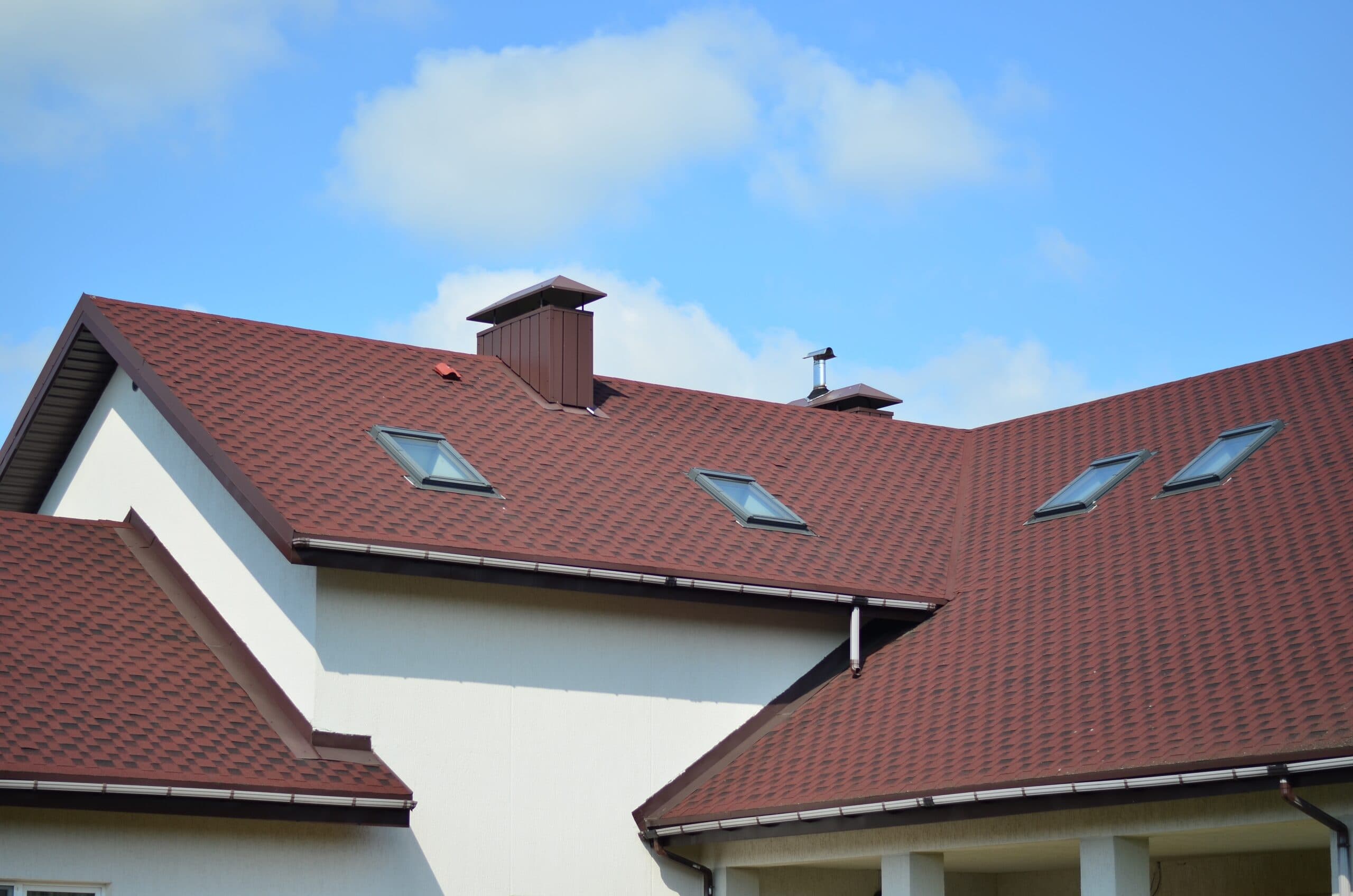
Metal roofing is having a moment in NJ residential construction. Energy-conscious homeowners, those tired of replacing asphalt every 25 years, and people building or renovating with a modern aesthetic are all driving demand for metal roofs. But there are two fundamentally different metal roof types — standing-seam and corrugated — and they're not interchangeable. Choosing the wrong one for your application creates problems that don't show up for years.
Standing-seam and corrugated metal both have legitimate uses, but for most residential applications on a primary residence in NJ, standing-seam is the right call. Here's the honest comparison and how to decide between them.
What Standing-Seam Metal Roofing Is
Standing-seam roofing uses long vertical metal panels — typically 12–18 inches wide and as long as needed (often the full eave-to-ridge length of the roof) — that join at raised vertical ribs. Adjacent panels lock together along these seams, either by snapping into place ('snap-lock') or by mechanically crimping the seam closed with a hand or power seamer ('mechanical-seam').
The defining feature: fasteners are concealed under the seams, not exposed to weather. The panels are attached to the deck with hidden clips along the rib, then the next panel snaps over the clip. No screw or nail penetrates the face of the panel where it's exposed to UV, rain, snow, ice, and thermal cycling.
Standing-seam delivers a clean linear architectural look — the kind of metal roof you see on upscale modern homes, mountain retreats, and high-end farmhouses. The vertical lines are clean, the panels are full-length so there's no horizontal seam, and the overall aesthetic reads as premium.
What Corrugated Metal Roofing Is
Corrugated metal is the wavy-pattern panel most people picture when they hear 'metal roof.' Panels are 26–36 inches wide, come in 8–16 foot lengths, and have a continuous ribbed pattern that gives the metal its strength. Adjacent panels overlap at the side seam and end seam.
The defining feature (and the major weakness): fasteners are exposed. Self-tapping screws with rubber washers go through the face of the panel into the wood deck or purlins below. Every screw is visible from the ground and exposed to weather.
Corrugated metal is cheaper to manufacture, faster to install, and easier to work with on irregular roof shapes — which is why it dominates farm buildings, sheds, garages, and industrial applications. It also has legitimate residential use cases on farmhouses, mountain cabins, and other settings where the industrial look is intentional.
The Biggest Difference: Concealed vs Exposed Fasteners
The concealed vs exposed fastener distinction is the single biggest performance gap between standing-seam and corrugated. It affects waterproofing, lifespan, and how the roof ages.
On a corrugated roof, every exposed fastener is a potential leak source. The rubber washer that seals between the screw head and the panel face starts to age from day one — UV exposure, thermal expansion of the rubber vs the metal screw, and freeze-thaw cycling all degrade the seal over time. Within 15–20 years, many of those fasteners need replacement to prevent leaks. On a typical corrugated roof with thousands of exposed fasteners, that's a significant maintenance project at the 15–20 year mark.
On a standing-seam roof, there are no exposed fasteners in the field of the roof. The panels seal to each other through panel geometry and the mechanical or snap-lock seam. Penetrations exist only where the roof meets the ridge, eaves, walls, and any plumbing or vent — and those are sealed with specialized flashing details rather than face-driven fasteners.
Over a 40-year service life, standing-seam has dramatically fewer maintenance events and a much longer reliable waterproofing window than corrugated.
Thermal Movement Handling
Metal expands and contracts significantly with temperature changes. A 30-foot metal panel can lengthen by 1/4 inch or more between cold morning and hot afternoon. Repeated expansion-contraction cycles thousands of times per year stress whatever's holding the panel in place.
Standing-seam systems are designed to accommodate thermal movement. The panels are attached to the deck via concealed clips that allow the panel to slide as it expands and contracts. The seam stays sealed; the panel can move. Over decades of thermal cycling, this matters significantly — the panels don't stress the fasteners and the system stays watertight.
Corrugated panels are fastened through the face of the panel directly to the deck or purlins. The panels can't slide — they're held rigidly. Thermal movement stresses the fastener holes in the panel, gradually elongating them over time. Eventually the elongated holes admit water around the fastener, even with intact rubber washers. This is a major contributor to mid-life leaks on corrugated metal roofs.
Aesthetic and Resale Value
Standing-seam reads as architectural. It's a deliberate aesthetic choice that complements modern homes, traditional farmhouses, and high-end custom construction. From the street, a standing-seam roof signals 'premium' to buyers and adds resale value relative to a comparable asphalt roof.
Corrugated reads as utilitarian or industrial. It's appropriate for some farmhouses, cabin-style homes, and intentionally rustic aesthetics — but on a typical suburban NJ residence it can read as cheap or out-of-place. For resale, corrugated is usually a wash compared to asphalt, or even a slight negative in higher-end neighborhoods.
Cost Comparison
Standing-seam costs significantly more than corrugated at install. Several reasons:
- Material is heavier-gauge (typically 24-gauge for residential standing-seam vs 26 or 29 for corrugated).
- Panels are custom-formed to the exact length of your roof (no horizontal seams) — usually rolled on-site from coil stock.
- Install labor is more skilled — proper seaming requires specialized tools and trained installers.
- Concealed flashing details at penetrations, ridges, and eaves require careful planning and execution.
On a typical NJ residential roof, expect standing-seam to cost roughly 2–3× a comparable asphalt shingle roof, and 1.5–2× a corrugated metal roof. The lifecycle math works heavily in standing-seam's favor though — 40–60 year service life vs 25–30 for corrugated and 22–28 for asphalt. The per-year cost is competitive once you factor in lifespan.
Energy Performance
Both metal roof types reflect more solar radiation than dark asphalt shingles, reducing summer cooling load. Standing-seam offers the additional advantage of being available in 'cool roof' coatings with specific reflectance values certified by Energy Star — useful if you want to maximize energy savings and qualify for any local rebate programs.
In NJ summers, a metal roof (either type) typically reduces cooling costs by 10–25% compared to an unventilated asphalt roof. The savings combined with the longer lifespan make metal roofs attractive on a 30-year ownership horizon.
Snow Performance (Important in NJ)
Metal roofs shed snow differently than asphalt. Snow on a metal roof tends to slide off in large sheets rather than melting in place gradually. This has implications:
- Pro: less ice-dam risk because snow doesn't accumulate against the eaves to melt-and-refreeze.
- Pro: less structural load — snow doesn't stay on the roof.
- Con: large snow slides can damage gutters, landscaping below the roof line, or pedestrians. Snow guards (small bars or studs on the roof surface) are typically installed in entry-area sections to hold snow in place rather than letting it slide where it could cause damage.
- Standing-seam handles snow guards cleanly because they integrate with the seam structure. Corrugated requires face-mounted snow guards that add penetrations.
When Corrugated Still Makes Sense
Corrugated has legitimate residential applications when:
- You want the industrial or farmhouse aesthetic intentionally.
- You're roofing an outbuilding (garage, barn, shed) where the lifespan and aesthetic don't justify standing-seam's premium.
- Your budget genuinely won't accommodate standing-seam and the choice is between corrugated metal or another asphalt roof.
- You're working on a low-pitch roof where standing-seam clip installation gets complicated and corrugated installs more cleanly.
For most other residential applications in NJ, standing-seam is the right answer. The upfront premium pays back in lifespan, lower maintenance, and resale value.
What to Ask Your Contractor
If you're considering metal roofing, the estimate should specify:
- Standing-seam or corrugated. If standing-seam, snap-lock or mechanically-seamed.
- Panel gauge (24-gauge is standard for residential; 22-gauge is heavier-duty).
- Material (galvanized steel, Galvalume, painted steel, aluminum, copper, zinc — each has different cost, weight, and longevity).
- Panel finish and color (paint warranty separate from the structural warranty).
- How thermal expansion is handled (standing-seam should have concealed clips, not face fasteners).
- Snow guard installation in entry areas.
- Warranty terms — material, paint finish, and workmanship are typically separate warranties.
Getting an Honest Metal Roof Estimate
Tri-State installs both standing-seam and corrugated metal roofing in NJ, but our default recommendation for residential applications is standing-seam. We'll walk you through the trade-offs, show you sample panels, and quote both options if you want to compare. The estimate is free, fully itemized, and you can compare with other bids confidently. Call (201) 779-3961 or use our online quote form to schedule.
Last updated
Need Help With This?
We provide free, no-obligation inspections across New Jersey. Honest assessment, photo report, and a written estimate.