
·Materials
Synthetic Underlayment vs Felt: The Layer Under Your Shingles That Actually Keeps Water Out
Underlayment is the invisible layer between your deck and shingles — and the wrong choice shortens roof life by 5+ years. Here's why modern synthetic underlayment outperforms traditional felt and why we use it on every NJ install.
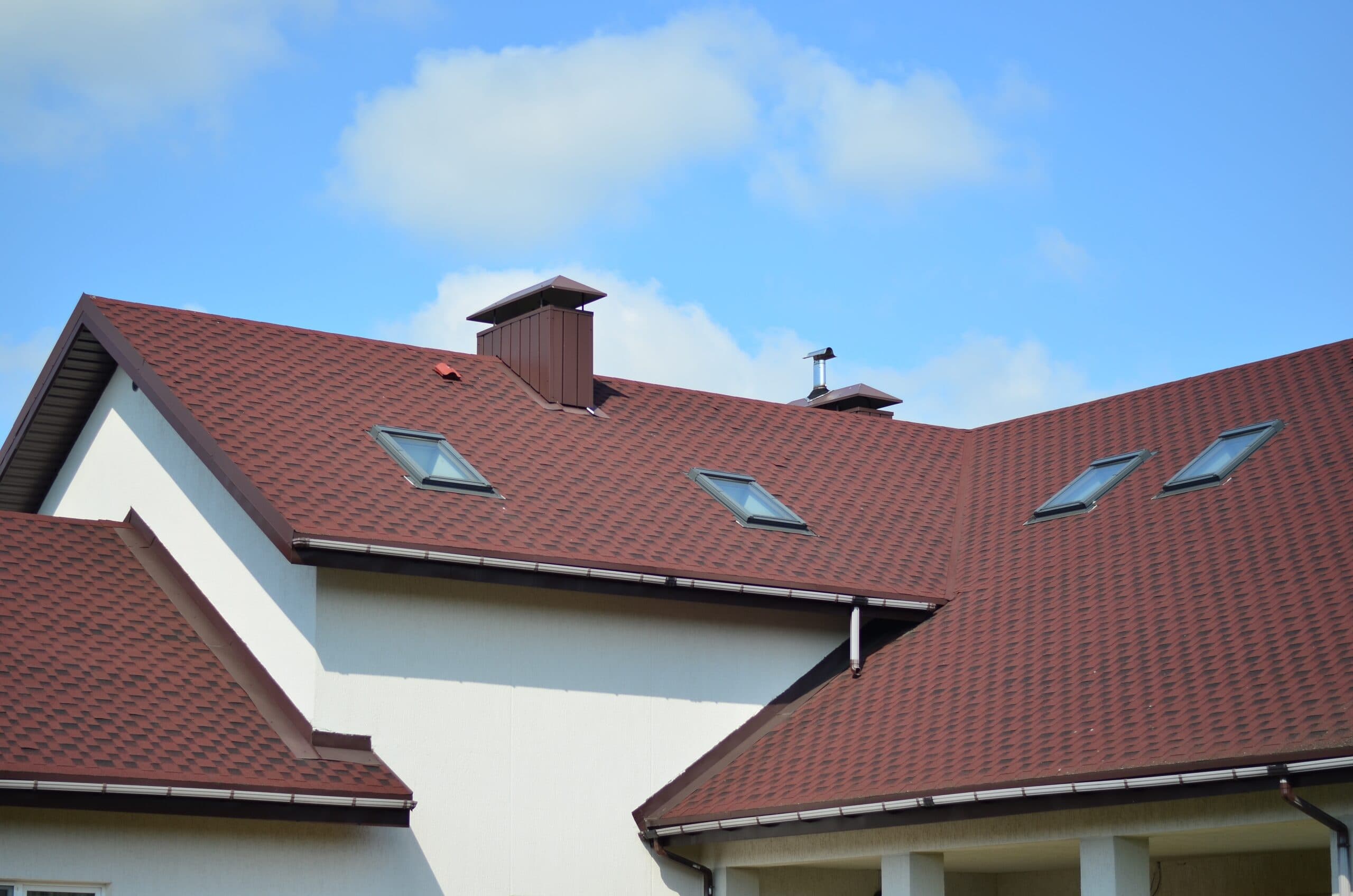
Underlayment is the layer between the roof deck and the shingles above it. Nobody sees it after the roof is installed. Nobody asks about it in the contractor showroom. Most homeowners don't even know it exists until something goes wrong. But the underlayment choice quietly determines whether your roof's effective waterproofing lasts the full 30 years the shingles are rated for, or starts failing at year 15 when the underlayment underneath has degraded out of the system.
There are two main underlayment options in residential roofing: traditional asphalt-saturated felt (the legacy product) and modern synthetic underlayment (the current best-practice product). The difference matters more than you'd think, and the cost gap is small enough that the choice is almost always synthetic for any contractor who's keeping up with industry developments.
What Underlayment Actually Does
The shingles are the primary water barrier — they shed rain and snow off the roof. But shingles aren't a perfect seal. Water can get under them through wind-driven rain, ice damming, debris damage, lifted edges, or simply through the natural gaps between shingle courses. When water gets past the shingles, the underlayment is what's standing between it and your roof deck (and ultimately your attic).
A good underlayment provides:
- Backup waterproofing if the shingles ever fail or a small leak develops.
- Protection during construction — the deck might be exposed to weather for hours or days between underlayment install and shingle install.
- A clean substrate for shingle installation — wrinkled or uneven underlayment shows through shingles and creates points of stress.
- Resistance to foot traffic during install — installers walk on the underlayment for the entire shingle install, so tear resistance matters.
- Long-term durability matching or exceeding the shingles above.
Traditional Felt: The Legacy Standard
Asphalt-saturated organic felt has been the residential roof underlayment standard since the 1920s. It comes in two weights — 15-pound and 30-pound — referring to the weight per 100 square feet. The product is essentially a paper-pulp mat saturated with asphalt to create a water-resistant sheet.
Felt has real advantages: it's cheap (sometimes 30-50% less than synthetic at the material level), it's been used for a century so installers know how to handle it, it sheds water reasonably well, and it provides adequate backup waterproofing for the first 15-20 years of a roof's life.
Felt's problems show up over time:
- Felt absorbs water. If felt gets wet during install (rain showers, dew, snowmelt) or through any small leak after the roof is on, it starts to rot. The organic mat breaks down, the asphalt binder degrades, and the waterproofing function fails.
- Felt tears easily. Installer foot traffic during shingle install can puncture or tear the felt, creating exposed deck areas under the shingles. These show up as future leak points.
- Felt wrinkles and lays unevenly. Roll out felt on a humid day or in cold temperatures and it doesn't lay flat. Wrinkles telegraph through the shingles above, creating visible imperfections and stress points.
- Felt dries out over time. The asphalt binder oxidizes and becomes brittle. By year 20–25, the felt under an asphalt shingle roof has often dried out to a crumbly substrate that's no longer functioning as waterproofing.
Synthetic Underlayment: The Modern Standard
Synthetic underlayment is woven polypropylene or polyethylene — essentially a tear-resistant plastic sheet engineered for roof use. It started appearing in the residential market in the early 2000s and has steadily replaced felt as the standard spec for quality installs.
What synthetic does better than felt:
- Doesn't absorb water. If synthetic underlayment gets wet during install or through any leak, it doesn't degrade. The waterproofing function is intact.
- Tear resistance is dramatically better. Installer foot traffic doesn't compromise the membrane. Wind during install doesn't tear sheets off the deck.
- Lies flat without wrinkles. Lighter weight per square foot, dimensionally stable in temperature changes, and easier to roll out cleanly.
- Can be left exposed for weeks during install. If weather delays the shingle install, synthetic underlayment can protect the deck for 60–180 days depending on the product. Felt would degrade significantly in that time.
- Lasts roughly 4× longer than felt before degrading. The polypropylene mat doesn't oxidize the way asphalt does. Synthetic underlayment under a 30-year roof is still functional waterproofing at year 30.
Some synthetic products also have additional features — anti-skid surfaces for installer safety, integrated nail-hole sealing strips, manufacturer warranties that match the shingles above. These features are nice but not essential; the core durability advantage is what makes synthetic the right choice.
Real-World Difference: When the Underlayment Matters
Here's why the choice matters in practice. On a healthy 10-year-old roof with all shingles intact, either underlayment works fine — water never gets past the shingles, so the underlayment never has to do its job.
The difference shows up when something goes wrong. Wind blows off a shingle in a storm. A tree branch damages an area. A pipe boot develops a crack and admits water. In each case, water now reaches the underlayment. With synthetic underlayment, the membrane stops the water and you have time to repair the shingle. With old felt that's dried out, the water passes through and you have an active interior leak immediately.
Over the 25–30 year life of a roof, dozens of small events test the underlayment. Synthetic backs you up; deteriorated felt doesn't. The difference is whether you have a leak that requires emergency response, or a missing shingle you can repair on a sunny day next week.
Cost Difference: Smaller Than You'd Think
Material cost for synthetic underlayment is typically 30–50% higher per square foot than felt. Across a typical 2,500 sq ft roof, that premium is a rounding error against the total project cost.
Install labor is similar or even slightly faster with synthetic — lighter rolls, faster cuts, no wrinkles to flatten. The total install cost difference between felt and synthetic is usually within 2–5% of the project total.
For 2–5% of project cost, you get backup waterproofing that lasts the full life of the roof instead of degrading at year 15–20. The lifecycle math heavily favors synthetic, and the upfront price difference is barely noticeable on the total estimate. Any contractor still quoting felt as the standard spec in 2026 is using outdated practice.
Ice-and-Water Shield Is a Different Product
Don't confuse general roof underlayment with ice-and-water shield. They're different products that serve different functions, and they belong on different parts of the deck:
- Ice-and-water shield (Grace Ice & Water, GAF WeatherWatch, or equivalent) is a fully self-adhered modified bitumen membrane. It sticks directly to the deck and seals around fasteners driven through it. The New Jersey ice-barrier amendment applies to Sussex County, not here — but it is still the right layer at the eaves (at least 24 inches inside the exterior wall line) and in every valley.
- Synthetic underlayment (or felt) covers the rest of the deck — the main field of the roof, where a fully adhered membrane adds cost without adding protection.
Ice-and-water shield is significantly more expensive per square foot than either underlayment option, which is why it's only used at the most critical waterproofing points (eaves where ice dams form, valleys where water concentrates). Synthetic underlayment is the right product for the main field.
What to Ask Your Contractor
When you get roof estimates, look for these underlayment specifics on the written quote:
- What product is being installed (manufacturer and product name) — not just 'underlayment.'
- Is it synthetic or felt? If felt, ask why — there's rarely a good reason in 2026.
- What weight or thickness?
- How is ice-and-water shield being handled at the eaves and valleys? What product?
- How far does the ice-and-water shield extend inside the warm wall line at the eaves? NJ code minimum is 24 inches; better contractors extend further on homes with ice-dam history.
If the contractor can't answer these clearly or wants to use felt 'because it's what we always use,' get a different estimate. The underlayment matters enough that you don't want a contractor who treats it as an afterthought.
Our Default Spec
Every Tri-State roof we install in NJ uses synthetic underlayment in the main field — typically GAF Tiger Paw or equivalent. Ice-and-water shield extends a minimum of 36 inches inside the warm wall line at all eaves — the ice-barrier rule itself only applies up in Sussex County, so nobody down here is making us do it — plus the full length of every valley and the deck around every penetration. The full system spec is on every written estimate so you see exactly what you're getting.
If you're getting roof estimates and want a written quote that specs the underlayment correctly along with the rest of the system, call (201) 779-3961 or use our online quote form. Free estimates, no obligation, fully itemized so you can compare.
Last updated
Need Help With This?
We provide free, no-obligation inspections across New Jersey. Honest assessment, photo report, and a written estimate.