
·Materials
Why Architectural Shingles Replaced 3-Tab Everywhere (and Why You Shouldn't Install 3-Tab Today)
Three-tab shingles dominated residential roofing for 50 years. Then architectural shingles took over the market in less than a decade. Here's why, and why proposing 3-tab on a NJ home in 2026 is a red flag.
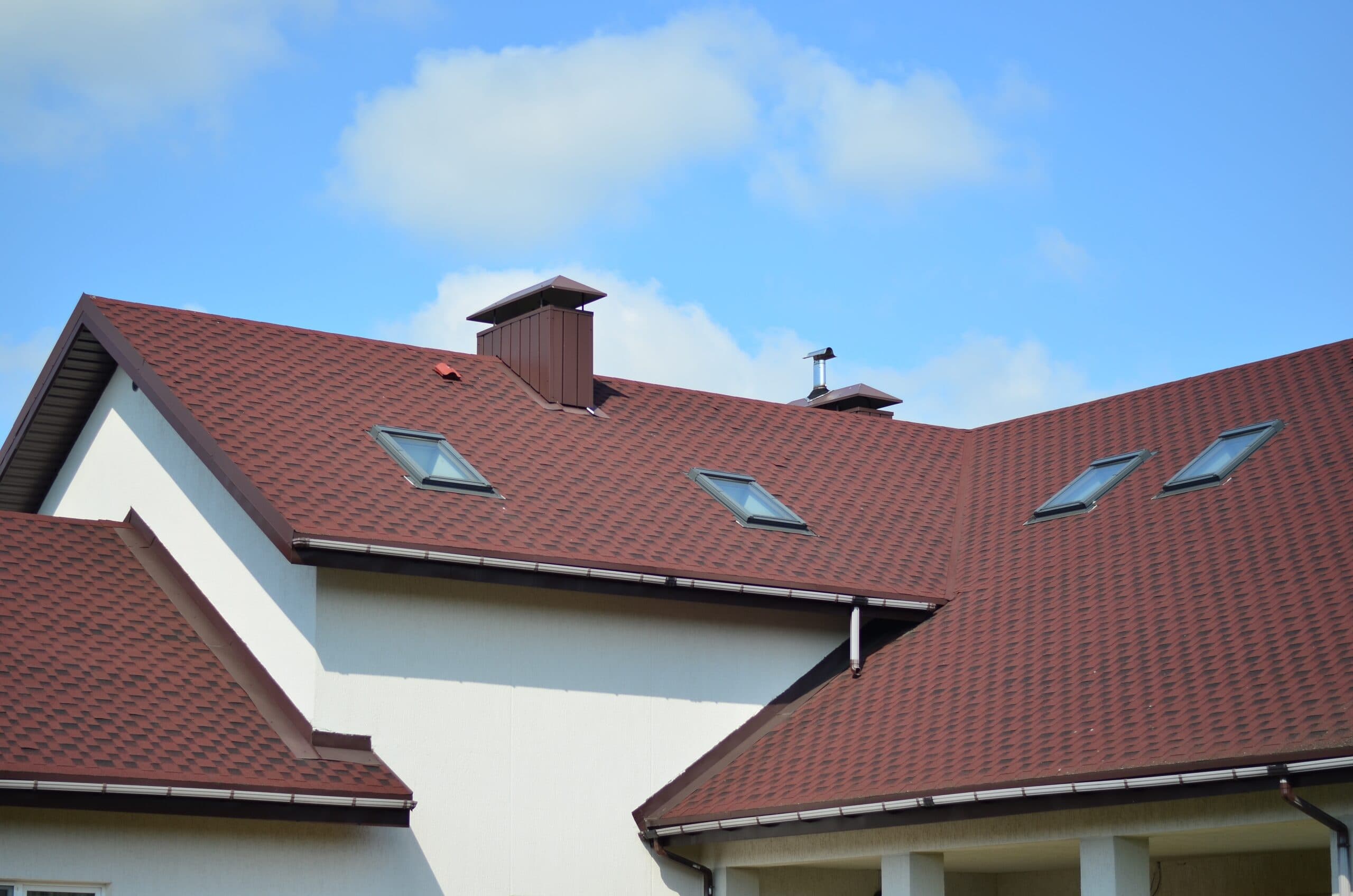
If you're getting roofing estimates in New Jersey and a contractor offers you three-tab shingles 'to save money,' get a different estimate. Three-tab shingles still exist in the market and have a few legitimate uses, but for primary residential applications in 2026 they're a worse product in almost every way that matters. The cost savings are small; the performance compromises are large. Here's the honest comparison.
Architectural shingles (also called dimensional or laminated shingles) took over the residential market in less than a decade between roughly 2005 and 2015. The transition happened because the value math is overwhelming once you understand what you're getting from each product. Most homeowners getting estimates now have never heard of 3-tab — but a few budget-focused contractors still propose them, especially on lower bids designed to undercut competitors on price.
What's the Difference Physically?
Three-tab shingles are single-layer asphalt with three uniform cutouts that create the visible tabs. From the street, the roof looks flat and uniform — every shingle identical, every line perfectly straight. Total thickness around 1/8 inch, weight around 200 pounds per 100 square feet.
Architectural (dimensional) shingles are multi-layer laminated — typically two or three layers fused together with hot asphalt — with varied tab widths and offset patterns that create depth and shadow. Total thickness around 3/8 inch, weight around 300 pounds per 100 square feet. The thicker multi-layer construction drives every other advantage.
Modern designer or 'luxury' architectural shingles take this further — heavier per square foot, more layers, larger and more varied tab patterns, often designed to mimic the look of wood shake, slate, or clay tile. These are the top of the asphalt shingle market, suitable for homes where curb appeal is a priority.
Lifespan and Warranty
Three-tab shingles carry 20–25 year material warranties; architectural shingles carry 30+ year warranties (typically marketed as 'limited lifetime' though the practical coverage is the same — pro-rated material replacement for manufacturing defects). In NJ's climate with average maintenance, real-world lifespan tracks the warranty rating roughly: a 25-year three-tab roof is at practical end-of-life around year 18–22; a 30-year architectural roof reaches end-of-life around year 24–28.
That 5–10 year difference adds up over the lifetime of a house. A homeowner who chose 3-tab on a long-term residence will replace the roof 1 extra time over a 30-year ownership period — and the second replacement costs much more than the modest premium for architectural the first time around.
Wind Rating
Three-tab shingles are typically rated for 60–70 mph wind. Modern architectural shingles are rated 110–130 mph standard, with manufacturer-specific 'WindProven' or equivalent upgrades available that have no published maximum wind speed (rated to the limit of any standard residential testing protocol).
NJ sees regular nor'easters that exceed 60 mph in gusts. Coastal NJ sees occasional hurricane impact. Three-tab roofs lose tabs in storms that architectural roofs survive without damage. After a major NJ storm, the homes with missing-shingle damage are almost universally 3-tab roofs; architectural roofs in the same neighborhoods typically come through intact.
The wind rating difference is the single biggest performance gap between the two products. In a hurricane-or-nor'easter-prone region like NJ, it's the single best reason to choose architectural over 3-tab regardless of any other factor.
Curb Appeal and Resale Value
Three-tab looks flat and uniform — appropriate for a 1960s tract home where matching the original aesthetic matters, but dated everywhere else. Architectural shingles have shadow lines, varied tab widths, and visible depth that approximate the look of wood shake or slate from street view. The aesthetic difference is significant — most homeowners can tell the difference instantly even without knowing the product names.
For resale value, the impact is meaningful. A home with 3-tab on it reads as 'cheap roof' to buyers; a home with architectural reads as 'normal modern roof.' Designer shingles read as upscale. Realtors in NJ consistently report that 3-tab vs architectural is one of the visible-from-the-street factors that affects offer prices, separate from the actual roof condition.
Cost Difference (Smaller Than You'd Think)
At the material level, architectural shingles cost roughly 15–25% more than 3-tab — and materials are only one slice of a roofing project's total.
Install labor is essentially the same — architectural goes on slightly faster because of the larger laminated tabs covering more deck area per shingle, but the difference is negligible.
Total project premium for architectural over 3-tab on a complete tear-off and re-roof is typically 10–20% of the project total. For that premium, you get 5–10 more years of roof life, dramatically better wind performance, and significantly better curb appeal. The lifecycle math heavily favors architectural — there's no scenario in 2026 where 3-tab is the right choice for a NJ primary residence.
When You Might Still See 3-Tab Proposed
Despite the clear value disadvantage, 3-tab still shows up in a few situations:
- Outbuilding roofs — sheds, garages, barns. Where lifespan and aesthetics don't matter as much, 3-tab is a reasonable cost-saver.
- Very tight-budget situations where the homeowner genuinely can't afford architectural and is choosing between 3-tab now or no replacement at all. (The right answer in most of these cases is 'wait, save up, and replace properly' — but that's a different conversation.)
- Contractor estimates designed to undercut competitors on price. The contractor knows 3-tab is suboptimal but uses it to come in visibly below the next bid. The homeowner doesn't always read the spec carefully and signs up for the wrong product to save the visible price.
- Bottom-tier production roofers where 3-tab is the default and the install crew has decades of muscle memory installing it.
If a contractor proposes 3-tab on your NJ primary residence in 2026, look carefully at the rest of the estimate — what else are they cutting? Felt underlayment instead of synthetic? No ice-and-water shield? Skipping the permit? The 3-tab spec is often a leading indicator of other corners being cut to hit a price point.
Choosing Between Architectural and Designer Shingles
Once you've ruled out 3-tab, the next decision is standard architectural vs. designer/luxury architectural. The differences:
- Standard architectural (GAF Timberline HDZ, CertainTeed Landmark, Owens Corning Duration) — the workhorse of residential roofing. Excellent performance, attractive appearance, 130-mph wind rating, lifetime limited warranty. Right choice for most NJ homes.
- Designer/Luxury architectural (GAF Grand Sequoia, CertainTeed Presidential, Owens Corning Berkshire) — heavier per square foot, more dramatic shadow lines, often mimicking specific premium materials (slate, wood shake). Right choice for higher-end homes where curb appeal is a priority and the budget supports it.
- Specialty premium (impact-resistant, energy-star reflective, etc.) — special-use products for hail-prone areas, energy efficiency priorities, or specific aesthetic requirements.
What to Look For on the Estimate
When you get roof estimates, here's what should be specified:
- Manufacturer and product name. 'Architectural shingles' is too vague. 'GAF Timberline HDZ' is specific.
- Color choice (or option to select after).
- Warranty information — what's covered, for how long, and how the warranty is registered after install.
- Whether the contractor is a manufacturer-certified installer (allows access to extended system warranties).
If the estimate just says 'shingles' without specifying product or grade, ask. A contractor who can't tell you what they're installing is a contractor you shouldn't hire.
Our Default
Every Tri-State roof we install in NJ uses architectural shingles as the baseline spec — typically GAF Timberline HDZ for standard installs, with designer options available on request for homeowners who want the premium aesthetic. We're a GAF Certified Contractor, which means the manufacturer warranty is registered in your name and extended system warranties are available on qualifying installs. Every shingle option we offer is fully specified on the written estimate so you can compare apples to apples across multiple bids.
If you want a free roofing estimate that specs the materials clearly and gives you real comparison data, call (201) 779-3961 or use our online quote form. We'll bring shingle samples to your house so you can see the colors in actual lighting before committing.
Last updated
Need Help With This?
We provide free, no-obligation inspections across New Jersey. Honest assessment, photo report, and a written estimate.