
·Gutter Care
Why Gutter Cleaning Matters More Than You Think (NJ Homeowner Guide)
Clogged gutters cause more expensive home damage than almost any other maintenance failure — fascia rot, basement flooding, ice dams, foundation undermining. Here's what you're really risking, and how to do gutter cleaning right.
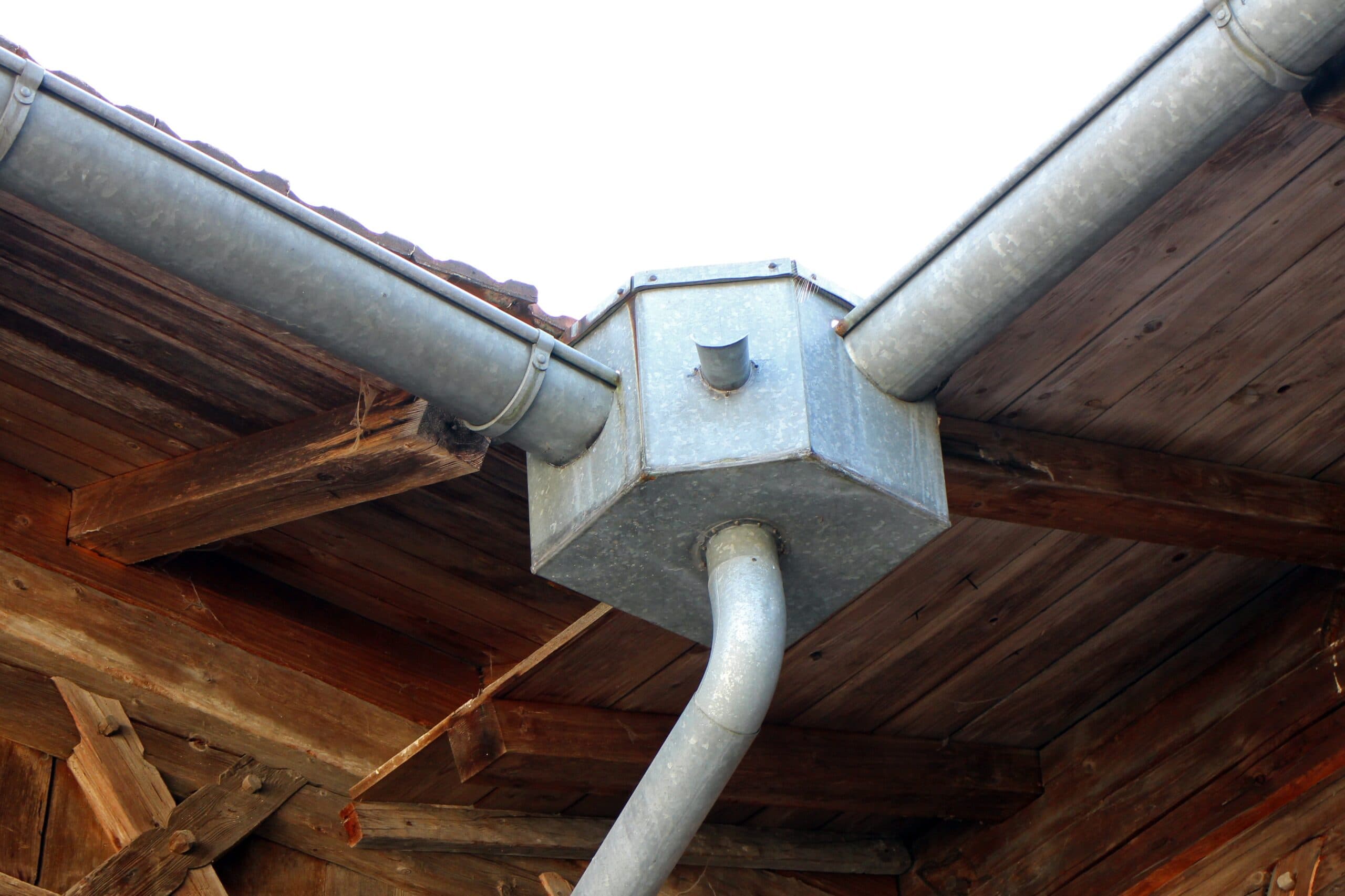
Gutters are the most consistently underappreciated part of a house. They're up high, out of sight, and they don't make any noise when they fail. Homeowners who would never skip an oil change in their car routinely go years without cleaning their gutters — and then pay the consequences in fascia rot, basement leaks, ice dams, and even foundation undermining.
Clogged gutters are responsible for some of the most expensive home repairs we get called for. Almost all of those repairs were preventable with two cleanings a year. Here's the case for not skipping it, what specifically fails when you do, and what a proper gutter cleaning actually looks like.
What Clogged Gutters Actually Do
Functional gutters do one job: they catch the water sheeting off your roof during rain and channel it through downspouts to a discharge point well clear of the foundation. When the gutter is clogged, water overflows the front edge of the gutter during rain — and that overflow doesn't just land harmlessly on the lawn.
First, the overflow lands directly against the fascia (the board behind the gutter), saturating it. Wood fascia repeatedly saturated develops rot. Once the fascia rots, the gutter has nothing solid to hang from and starts pulling away from the house, which makes the next storm worse — gutter pulled forward means water now drops behind it, directly onto the soffit and into the wall cavity.
Second, the overflow water hits the ground right next to the foundation instead of being directed to the downspout extension. Water concentrating at the foundation erodes the soil supporting the footings, finds any small crack in the foundation wall, and ends up in your basement. Repeated cycles undermine the foundation structurally — a long-term risk most homeowners don't think about.
Third, the overflow can run along the soffit and into the wall cavity, where it does invisible damage — saturating insulation, rotting framing, and growing mold inside walls. This is the failure mode that surprises homeowners most. You never see the water; you just smell the eventual mold or notice paint peeling on a wall and trace it back to a gutter issue six months ago.
Foundation Impact (The One Most Homeowners Miss)
Foundation damage from chronic gutter overflow is the most expensive — and most preventable — outcome we see. Water concentrated at the foundation does three things over time:
- Erodes the supporting soil around and under the footings. Once the soil supporting a footing washes out, the foundation can settle or crack from below.
- Pushes water through any micro-crack in the foundation wall. Hydrostatic pressure (water pressure from saturated soil pressing against the foundation) can force water through cracks that wouldn't otherwise leak.
- Saturates the basement slab from underneath. If your basement smells musty after heavy rain even without visible water, that's groundwater being driven up through the slab by saturated soil above it.
Foundation repair work runs in the five figures and often higher. Gutter cleaning runs in the low three figures. The math heavily favors cleaning.
Ice Dams: A Winter Gutter Failure Mode
In NJ winters, clogged gutters become ice dams. The clog traps water that should have flowed through, the water freezes solid in the gutter, and the ice ridge expands upward as more snow melts above. Once the ice is high enough to extend over the shingle line, water backs up behind it — and starts working its way under the shingles into the attic.
Most ice-dam emergency calls we get in January and February trace back to gutters that were clogged the previous fall. The homeowner skipped the fall cleaning because the gutter 'looked OK,' or because raking the leaves into the gutter to remove later 'seemed easier' — and then winter came and turned the gutter into a frozen brick that backed water into the house.
The fix is upstream: clean the gutters in late fall, after the trees have finished dropping leaves. Even a cleaning that looks unnecessary because the gutter seems clean is worth doing — small amounts of debris that wouldn't matter in summer become major problems once the temperature drops below freezing.
Pest and Vermin Infestation
Wet leaves in gutters are an ideal habitat for several things you don't want around your house:
- Mosquitoes breed in any standing water. A clogged gutter holds enough water in pockets to support hundreds of mosquito larvae through summer.
- Mice and rats find clogged gutters appealing as nesting locations — protected, slightly warm, and elevated above predators.
- Birds (especially European starlings) build nests in clogged sections, sometimes blocking downspouts entirely with sticks and grass.
- Carpenter ants and termites are drawn to wet wood — and the wet fascia behind a chronically clogged gutter is exactly what they're looking for.
Pest infestation amplifies the structural problems. Once carpenter ants establish in saturated fascia, the rot accelerates dramatically as they create channels through the wood. Removing the pests doesn't fix the underlying wet-wood problem — gutter cleaning does.
How Often Should You Clean Gutters?
The right cleaning frequency depends on what's growing around your house:
- Minimum: Twice a year — once in late spring (after trees finish dropping seeds, helicopters, and flowers) and once in late fall (after leaves drop).
- Heavy tree cover (oaks, maples, sycamores directly over the roof): three to four times a year. The extra cost of more cleanings is much less than the cost of fascia replacement.
- Light tree cover or no trees nearby: twice a year is plenty. Even in a treeless yard, the gutter still collects roof granules, wind-blown debris, and bird droppings.
- After major storms: quick check, especially for displaced gutters or unexpected debris like roof shingles that washed into the gutter.
How to Clean Gutters Properly
If you're doing it yourself: stable extension ladder with proper footing on level ground, work gloves (gutters are full of sharp metal edges and unidentifiable debris), and a spotter at the base of the ladder. Hand-scoop the bulk of the debris into a bucket — a leaf blower doesn't actually remove the wet sludge at the bottom of the gutter. Once the gutter is empty, flush with a garden hose to confirm water flows through downspouts to discharge points. Re-secure any loose hangers.
If you're hiring it out: confirm the price includes hand-cleaning every section (not just blowing leaves out), flushing downspouts, and re-securing loose hangers. Ask for photos of completed work and any issues found (fascia rot, missing hangers, damaged gutter sections). A 10-minute job from a leaf-blower-only crew isn't gutter cleaning — it's leaf removal, and it doesn't address the root problem.
Leaf Guards: Are They Worth It?
Modern micro-mesh leaf guards (the fine stainless steel mesh sitting just above the gutter opening) work well — they keep almost all organic debris out and reduce required cleaning to once every 2–3 years for a rinse-out. The old-style plastic snap-in screen guards do almost nothing useful and are not worth installing.
Whether they make sense depends on your tree cover. Heavy oak/maple cover: leaf guards pay for themselves in 5–7 years from saved cleaning costs and fascia preservation. Light or no tree cover: regular cleaning is more economical and doesn't risk the warranty issues some leaf-guard systems have.
What you should not do: install leaf guards over already-failing gutters. Replace the gutters first if they're damaged, then add guards. Guards over bent or sagging gutters don't solve the underlying problems.
What We Charge to Do It
Standard residential gutter cleaning at Tri-State is priced based on home size, total linear footage of gutter, and the number of stories. The visit includes hand-cleaning every section, flushing all downspouts to confirm flow, re-securing any loose hangers we find, and documenting any fascia rot or soffit issues with photos. If we spot a problem that needs separate repair work, we quote it on the spot — no obligation to use us for the repair.
Ask about our annual maintenance plan if you want gutters on autopilot — we schedule two visits a year automatically, you don't have to remember, and the per-visit cost is lower than one-off visits. Call (201) 779-3961 or use our online quote form to book a cleaning or get on the maintenance schedule.
Last updated
Need Help With This?
We provide free, no-obligation inspections across New Jersey. Honest assessment, photo report, and a written estimate.