
·Gutter Care
Fall Gutter Cleaning: The Maintenance Task NJ Homeowners Can't Skip
Skipped fall gutter cleaning is the #1 driver of winter roof emergencies in NJ. Here's exactly what fails, why fall timing matters more than spring, and how to do it right.
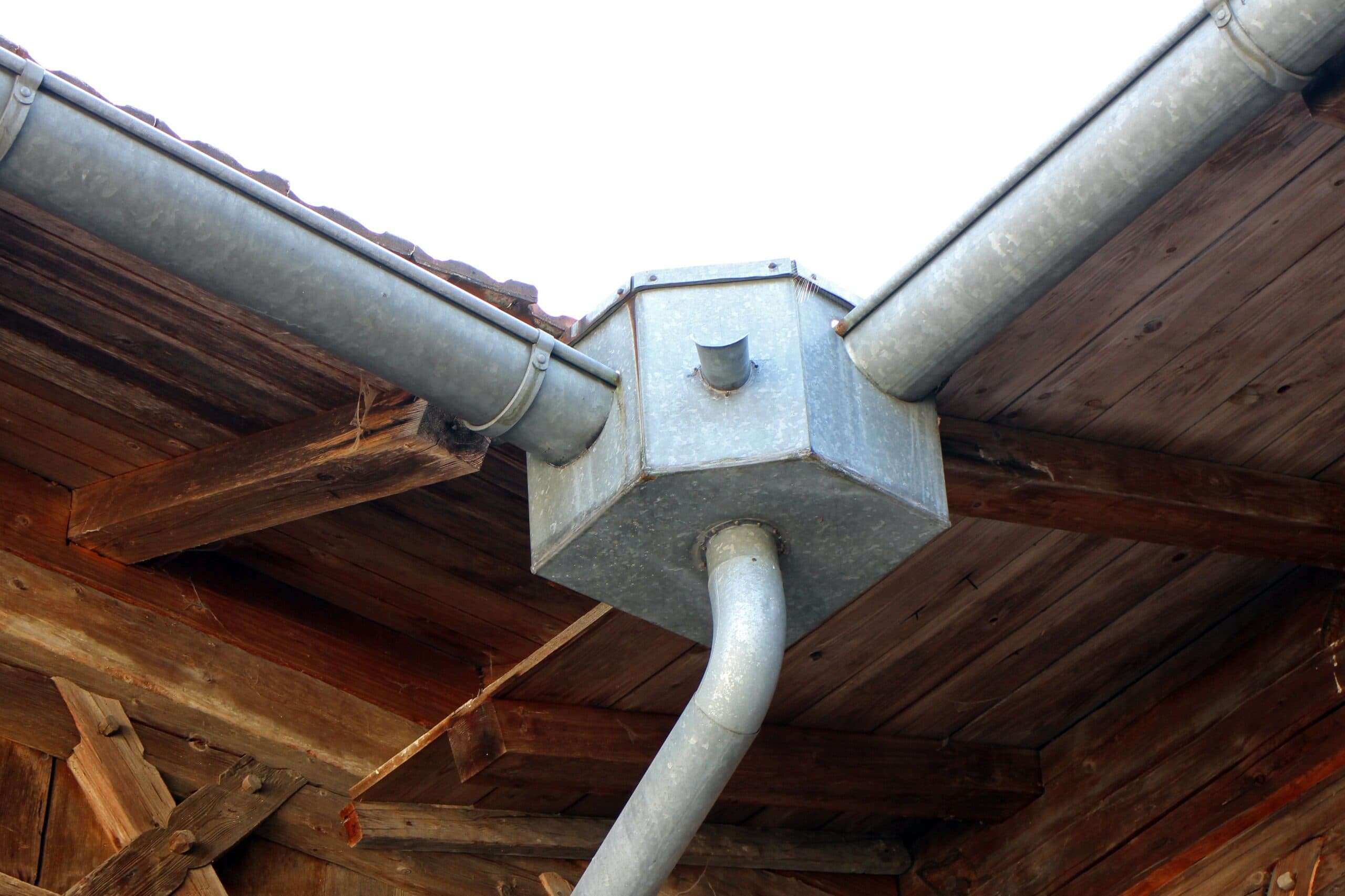
If we had to pick one maintenance task NJ homeowners absolutely cannot skip going into winter, it's fall gutter cleaning. More avoidable damage comes from skipped fall cleanings than from any other deferred-maintenance task we see — and every January we get emergency calls that trace back to gutters that never got cleaned the previous October.
Fall is different from spring. Spring cleaning addresses what winter and early spring storms dropped into the gutters; fall cleaning prepares the system for what's about to come. Get the spring one wrong and you have a summer of slow problems. Get the fall one wrong and you have a winter of ice-dam emergencies, fascia rot, and ceiling stains.
What Clogged Gutters Actually Do
When a gutter fills with debris, water overflows the front edge during rain. That overflow doesn't just land harmlessly on the lawn — it lands directly against the fascia (the board behind the gutter), saturating the wood. Repeated saturation cycles cause rot. Once the fascia rots, the gutter has nothing solid to hang from and starts pulling away from the house, which makes the next storm worse.
Once the gutter is pulling forward, water dumps behind it instead of into it — directly onto the soffit and into the wall cavity below. This is the failure mode that surprises homeowners most. You never see the water, but mold grows inside the wall, insulation saturates, and framing rots. By the time the symptoms reach the visible side of the wall (paint peeling, musty smell, ceiling discoloration), the hidden damage is significant.
Foundation Impact: The Most Expensive Outcome
Overflowing gutters dump water at the foundation rather than out at the downspout extension. Water concentrated at the foundation does several expensive things over time:
- Erodes the soil supporting the foundation footings. In NJ's freeze-thaw climate, repeated saturation and freezing cycles can undermine footings over years.
- Pushes water through any micro-crack in the foundation wall. Hydrostatic pressure from saturated soil drives water inward even through cracks that wouldn't otherwise leak.
- Saturates the basement slab from underneath. Musty basement smells after heavy rain — even with no visible water — usually trace to slab saturation.
- Promotes mold in basement spaces. Once moisture entry is established, mold becomes a chronic and expensive problem.
Foundation repair work runs in the five figures or higher. A few hours of gutter cleaning costs a fraction of that. Skipped gutter cleaning is one of those penny-wise, pound-foolish decisions homeowners regret in retrospect.
Why Fall Cleaning Matters More Than Spring
Fall cleaning prepares the gutter system for the harshest conditions of the year. Winter brings three threats that summer doesn't:
- Ice. Water in a clogged gutter freezes into solid ice, expands, and bends the gutter shape permanently. Once the gutter is bent, it doesn't hold water properly even when thawed.
- Ice dams at the eaves. When melt water can't drain through the clogged gutter, it backs up onto the roof, freezes at the eaves, and the ice ridge lifts shingles. Most winter ceiling-leak emergency calls we get trace back to this exact failure mode.
- Heavy snow loads. Clogged gutters are heavier than empty ones — full of wet leaves and trapped water — and the added weight under snow load can pull gutter sections off the fascia entirely.
Spring cleaning helps with summer rain. Fall cleaning prevents winter disasters. The fall one is the higher-stakes maintenance event.
When to Time the Fall Cleaning
Timing matters. Clean too early — say, mid-October — and the trees finish dropping leaves after your cleaning, filling the gutters back up before the first hard freeze. Clean too late — December — and you risk doing the work in freezing conditions on a slippery roof, or finding ice already formed in the gutter from early-season storms.
The right window is usually early to mid-November in NJ, after most trees have dropped their leaves but before the first hard freeze. For homes under heavy oak cover (oaks drop leaves later than maples), late November is sometimes better. For homes with minimal tree cover, mid-October is fine because there isn't much continuing leaf-fall to worry about.
If you have very heavy tree cover, plan two fall cleanings: one in early November after maples drop, and one in late November after oaks finish. The extra cost is much less than the risk of ice-dam damage from a re-clogged gutter.
How to Clean Gutters Properly
Two approaches, depending on whether you're doing it yourself or hiring out:
DIY: Use a stable extension ladder with proper footing on level ground. Work gloves (gutters contain sharp metal edges and indeterminate organic debris). A spotter at the base of the ladder for safety. Hand-scoop bulk debris into a bucket — a leaf blower doesn't actually remove wet sludge at the bottom of the gutter, so blower-only cleaning doesn't fully address the clog. Once the gutter is empty, flush every downspout with a garden hose and confirm water flows through to the discharge point. Re-secure any loose hangers. Don't walk on the roof — every roof-cleaning injury we hear about happened to a homeowner walking on a roof to clean gutters from above.
Professional: confirm the price includes hand-cleaning every section (not blower-only), flushing all downspouts, and re-securing loose hangers. Ask for photos of any issues found — fascia rot, missing hangers, damaged sections. A proper gutter cleaning visit takes 1–2 hours for an average home; if a crew says they cleaned your gutters in 20 minutes with a leaf blower, that wasn't a real cleaning.
Leaf Guards: Are They Worth It for NJ Homes?
Modern micro-mesh leaf guards (the fine stainless steel mesh sitting just above the gutter opening) work well — they keep almost all organic debris out and reduce required cleaning frequency to once every 2–3 years for a flush-out. The old-style plastic snap-in screen guards are mostly useless and not worth installing.
Cost vs. benefit depends on tree cover:
- Heavy oak/maple cover directly over the house: leaf guards typically pay for themselves in 5–7 years from saved cleaning costs and prevented fascia damage. Worth the investment.
- Light to moderate tree cover: leaf guards reduce maintenance burden but the payback period is longer (8–12 years). Worthwhile if you hate climbing ladders or have an inaccessible roof; less essential if you'll keep up with regular cleaning anyway.
- Minimal tree cover or no trees nearby: leaf guards usually don't make economic sense. Regular cleaning is more economical because there's not much debris to deal with anyway.
If you're considering leaf guards: replace damaged gutters before installing guards. Guards over bent or sagging gutters don't solve underlying problems. Make sure the guard product has a real manufacturer warranty (some cheap brands have effectively no warranty).
Common Things We Find During Fall Cleanings
Beyond the obvious leaves and debris, fall cleanings often surface issues that need attention before winter:
- Loose or pulled-away gutter hangers — common after a summer of storms.
- Fascia rot starting behind the gutter — soft spots when probed indicate the damage is already underway.
- Sagging gutter sections that have lost their pitch and now hold standing water.
- Damaged downspouts (dented, separated at the joints, or pulled away from the wall).
- Granule piles in the gutter indicating accelerated shingle wear on the roof above.
- Pest evidence — nests, droppings, or chewed material in the gutter or under the gutter where wildlife has been active.
Any of these are worth addressing before winter. The marginal cost of repairing during a cleaning visit is much less than the cost of replacing damaged components after winter has compounded the damage.
What We Charge and What's Included
Standard residential gutter cleaning at Tri-State is priced based on home size, total linear footage of gutter, and the number of stories. The visit always includes hand-cleaning every section, flushing all downspouts to confirm flow, re-securing any loose hangers we find, and photographing any issues we spot (fascia rot, missing hangers, damaged sections). If we find problems that need separate repair work, we quote on the spot with no obligation.
We also offer an annual maintenance plan that bundles two cleanings a year (spring and fall) at a lower per-visit rate, with automatic scheduling — you don't have to remember to call us; we just show up at the right time. Call (201) 779-3961 or use our online quote form to book a fall cleaning or get on the maintenance schedule before winter.
Last updated
Need Help With This?
We provide free, no-obligation inspections across New Jersey. Honest assessment, photo report, and a written estimate.