
·Maintenance
Ice Dams in New Jersey: Why They Form and How to Prevent Them
Ice dams are the #1 winter roof emergency we respond to in NJ. They're not just a snow problem — they're an attic-temperature problem. Here's the real fix that stops them for good.
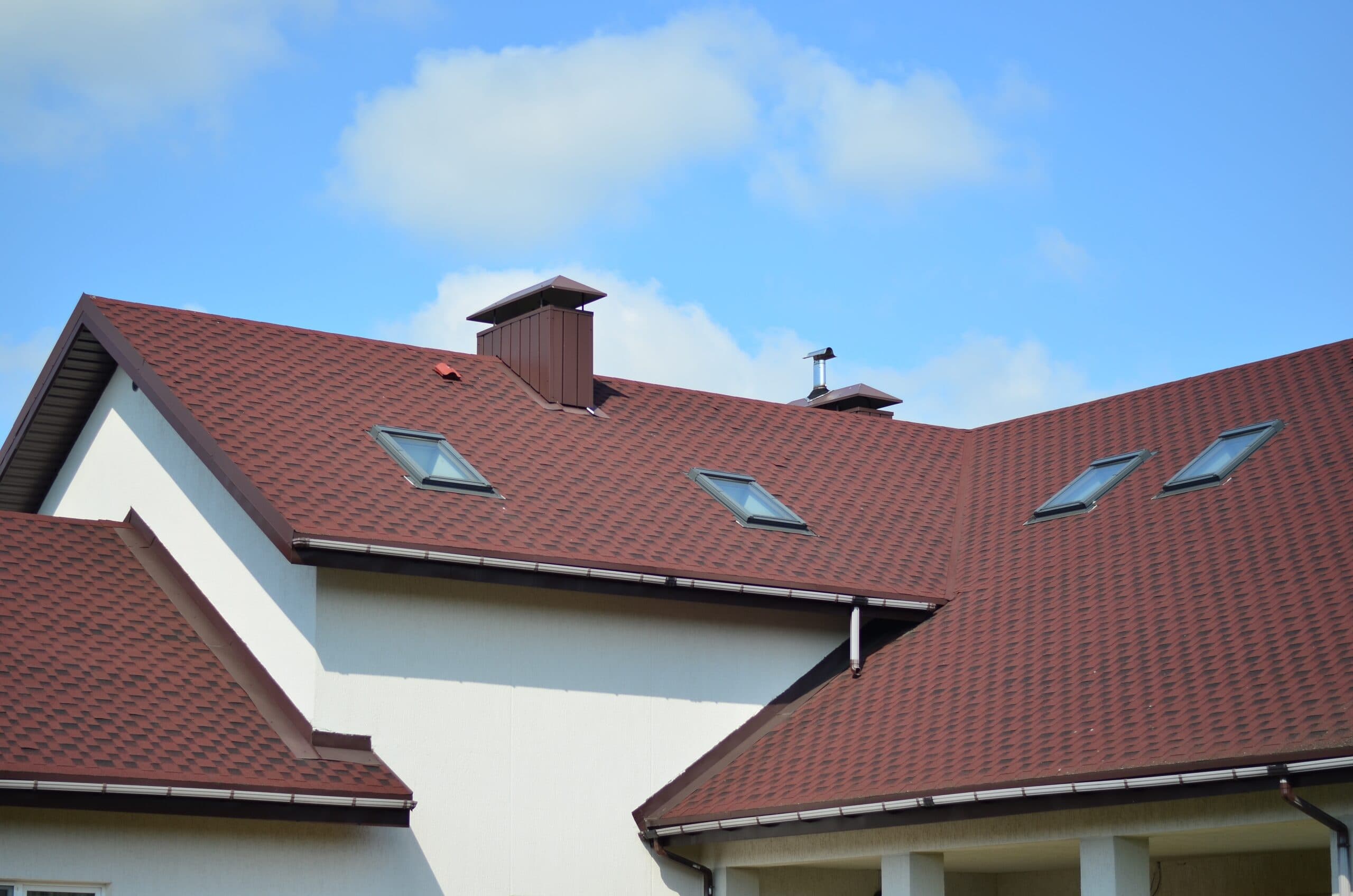
Every January we field emergency calls from New Jersey homeowners reporting ceiling stains and active water entry — almost always traced back to an ice dam at the roof eaves. Ice dams are by far the most common winter roof failure we see, and the misconception that they're just an inevitable winter problem is wrong. They're a roof-design failure caused by attic conditions, and most of them are permanently fixable.
This guide walks through how ice dams form, why the snow on your roof isn't actually the problem, how to diagnose the underlying cause on your specific home, and the permanent fix that stops ice dams from recurring. Emergency mitigation tactics for an active dam are also covered at the end.
How Ice Dams Actually Form
The physics are simple once you see them. Snow accumulates on the roof during a winter storm. The attic underneath, if it's warmer than outdoor temperature, transfers heat up through the deck. That heat melts the bottom layer of snow against the deck. The melt water then runs downhill across the deck, under the snow blanket above, toward the eaves.
When the melt water reaches the cold overhang at the eaves (the section of roof that extends beyond the exterior wall — uninsulated, with no warm attic underneath), it hits a surface that's still at outdoor temperature. The water re-freezes on contact. A small ridge of ice forms at the eave. As more snow melts above, more water runs down, hits the existing ice, and adds to the ridge.
Over a day or two of cold weather, the ice ridge grows large enough to start damming water behind it. Liquid water now pools on the roof behind the ice ridge instead of draining off. Once the water level exceeds the height of the lap between shingle courses, it works its way under the shingles, through the underlayment (if the underlayment has any flaws), and into the attic — and from there, into your ceilings, walls, and insulation.
The Real Cause Isn't Snow — It's a Warm Attic
Notice what's missing from the description above: snowfall amount. Ice dams aren't primarily a snow problem. A roof with a properly-conditioned cold attic can hold deep snow indefinitely without forming dams — the snow simply stays frozen and either sublimates away over weeks or slides off. The dam-forming chain only starts when the attic underneath is warm enough to melt the snow against the deck.
This is why two homes on the same street can experience completely different outcomes in the same storm. The home with a properly insulated, ventilated, and air-sealed attic gets snow on the roof and... that's it. The home next door — same roof orientation, same storm — develops ice dams every year because the attic conditions are creating melt water that has nowhere to go but back under the shingles.
Why Attics Get Warm in Winter
Three things warm an attic, in approximate order of impact:
- Air leaks from the conditioned space below. This is the biggest source by far. Heat rises from your heated living space through gaps in the ceiling — recessed light fixtures, top plates of interior walls, plumbing penetrations, attic hatch perimeters, duct boots, electrical penetrations. Each of these is a small chimney lifting warm air into the attic.
- Inadequate insulation on the attic floor. Even with air sealed, the temperature difference between conditioned living space and cold attic drives conductive heat transfer through the ceiling. Insufficient insulation lets too much of that heat through.
- HVAC equipment in the attic. Furnaces, air handlers, or ductwork in the attic radiate heat that warms the surrounding air. If your HVAC equipment is in the attic, this is a major contributor and harder to address than the first two.
- Bath/kitchen exhaust fans venting into the attic instead of through the roof. Common in older NJ homes — the warm moist exhaust from showers ends up in the attic, contributing both heat and humidity. Should always be ducted through the roof to outside.
The Permanent Fix: Three Things in Order
Stopping ice dams permanently requires addressing the root cause — attic conditions — not just the symptom. The fix is three coordinated steps, done in this order for maximum impact:
Step 1: Air Seal
Find and seal every air leak between the conditioned living space and the attic. Common culprits:
- Recessed light cans — even 'air-tight' rated ones often leak air around the housing. Use fire-rated caulk to seal the housing to the ceiling drywall.
- Top plates of interior walls — the gap between the top of the wall and the drywall above is a major leak path. Seal with spray foam or caulk.
- Plumbing penetrations — pipes coming up through the ceiling have gaps around them. Seal with spray foam.
- Electrical penetrations — wires through the ceiling for fixtures and outlets all leak air.
- Attic hatch — the perimeter of the hatch should have weatherstripping; the hatch itself should be insulated.
- Duct boots — where flex duct meets the ceiling grille, gaps are common.
Air sealing is the most impactful and most-skipped step. It's not glamorous work — crawling around the attic with caulk and spray foam — but it does more to stop ice dams than insulation or ventilation can on their own.
Step 2: Add Insulation to R-49 Minimum
Once air leaks are sealed, add insulation to the attic floor up to R-49 minimum (the current NJ energy code target for residential attics). Most older NJ homes have R-19 or R-30 — significantly below current code.
Blown-in cellulose or fiberglass is the easiest retrofit material. The work usually goes quickly because no demolition is needed — just blow new insulation on top of existing. Make sure ventilation baffles are in place at the eaves before adding insulation, so the new insulation doesn't block soffit vents.
Step 3: Verify Balanced Ventilation
Air sealing and insulation reduce heat input to the attic. Ventilation removes whatever heat (and moisture) still gets in. Confirm that the attic has working soffit-to-ridge ventilation: soffit vents open and unblocked by insulation, ridge vent installed and clear, and the air path between them unobstructed.
Without working ventilation, even an air-sealed insulated attic accumulates moisture from inevitable small air leaks and from the small amount of vapor diffusion through ceiling drywall. That moisture promotes mold and shortens roof life. Ventilation is the system reset that keeps the attic conditions stable.
Bonus: Ice-and-Water Shield at the Eaves
On the next roof replacement, the contractor should extend ice-and-water shield (a fully self-adhered modified bitumen membrane) at least 24 inches inside the exterior wall line at the eaves — measured from the plane of the wall below, not up from the drip edge. New Jersey ties that barrier to counties averaging 25°F or less in January, which is Sussex alone, so nobody down here is making you do it. The geometry is still the right spec, and on a house with chronic ice-dam history, running it 4–6 feet inside the wall line buys real margin if a dam forms before you fix the attic.
We extend coverage proactively on every Tri-State install in NJ — it's a small additional material cost for a significant protection upgrade.
What NOT to Do During an Active Ice Dam
If you have an active ice dam right now, several common reactions make things worse:
- Don't chip the ice off with hammers or hatchets. You'll damage shingles, gutters, or flashing — and your back, if you fall.
- Don't power-wash the dam off. Same damage risks plus you're adding more water to the situation.
- Don't pour hot water on the dam. Doesn't melt enough to matter and creates a slippery surface.
- Don't ignore active interior water entry. Active leaks need immediate containment with tarps, buckets, and possibly opening the ceiling to release trapped water before it spreads.
Temporary Mitigation Measures
If you're already dealing with an active ice dam and need to mitigate before a permanent fix is possible:
- Calcium chloride socks across the dam. Fill a pantyhose leg with calcium chloride deicer and lay it perpendicular across the dam. It will melt a channel through the ice that lets water drain.
- Heat cables along the eaves. Available at hardware stores — they create a path of melted snow through the ice. Useful for chronic-dam houses as a Band-Aid but they don't fix the underlying cause and they cost real electricity.
- Snow rake to clear snow from the lower 3-4 feet of roof. Reduces the source material for further melt water. Use from the ground only — never climb on a snowy roof.
All of these are stopgaps. The permanent fix is still the air-sealing + insulation + ventilation work above. If you have repeated ice dams every winter, you're treating symptoms instead of the disease.
When to Call Us
If you have repeated ice dams every winter, the underlying attic system isn't working. We diagnose what's contributing — air leakage, insulation deficiency, ventilation imbalance, or some combination — and write a scope to address it. The work is usually a 1–3 day project depending on home size, and the payback is significant: no more ice dams, lower heating bills, and longer roof life.
For emergency response to an active dam, we offer 24/7 emergency tarping and leak response. Call (201) 779-3961 — in our primary counties (Bergen, Passaic, Essex, Hudson, Morris and Union) a leak in progress gets same-day tarping, usually on-site within 1–3 hours, to stop the active water entry before we tackle the longer-term fix. You don't have to live with ice-dam season every January.
Last updated
Need Help With This?
We provide free, no-obligation inspections across New Jersey. Honest assessment, photo report, and a written estimate.