
·Materials
Attic Ventilation Problems in New Jersey Homes — Diagnosis and Fixes
Most NJ attic ventilation problems are invisible until they show up as ice dams, premature roof aging, or mold. Here's how to diagnose what's actually happening in your attic and what the real fix is — without overselling.
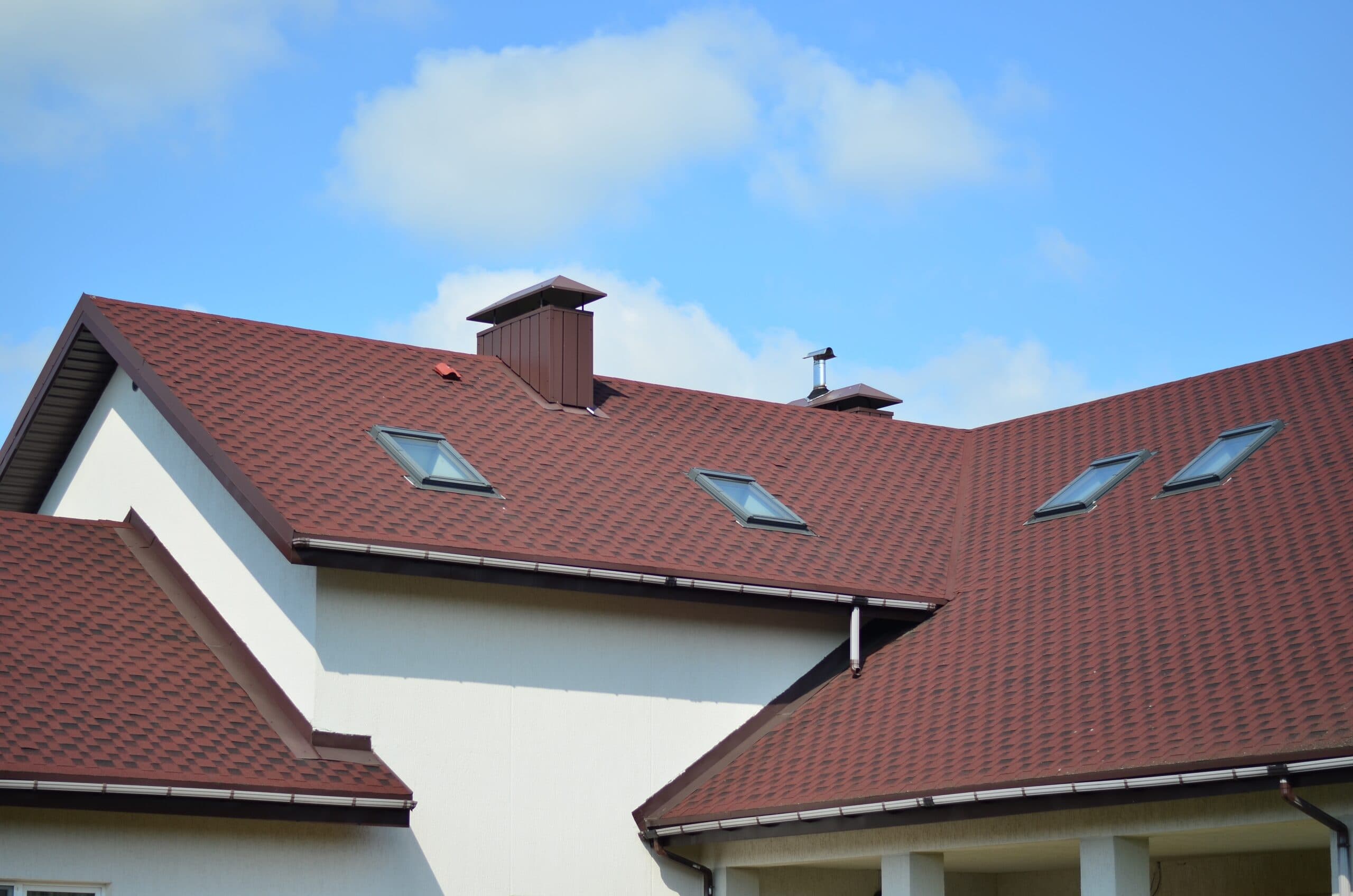
Attic ventilation problems are the most consequential under-the-radar issue on most New Jersey homes. They don't show up as leaks or visible damage immediately — they show up as a series of expensive secondary problems years later. Ice dams in winter. Shingles aging twice as fast as they should. Mold in attic spaces. Higher cooling bills than the neighbors with the same house. By the time any of these become obvious, the underlying ventilation issue has been quietly costing you money for years. This guide walks through the diagnostic signs of an attic ventilation problem, the common failure modes, and what the actual fix looks like — without pushing unnecessary work.
Why Attic Ventilation Matters
An attic with working ventilation has continuous airflow from the soffit (the underside of the roof overhang) up to the ridge (the peak of the roof). Cool outdoor air enters at the soffits, picks up heat and moisture as it rises through the attic, and exits at the ridge. The flow keeps the attic temperature close to outdoor temperature year-round. That sounds boring but the consequences are significant — in summer it prevents the attic from acting like a heat trap that radiates into your living space and bakes your shingles; in winter it keeps the attic cold enough that snow on the roof stays frozen instead of melting and causing ice dams. When the airflow doesn't work, both of those problems follow.
Diagnostic Signs You Have a Ventilation Problem
Several signs point to attic ventilation issues. Any one of these is worth investigating; multiple together is almost a guarantee:
- Ice dams every winter. The single most reliable indicator. If you reliably get ice dams on the eaves during cold snaps, your attic is too warm — which means ventilation isn't working.
- An attic that's noticeably hotter than outdoor temperature on summer afternoons. Climb up on a hot day; if the attic feels much hotter than the outdoor air, ventilation isn't moving heat out.
- Frost or condensation on the underside of the roof deck in winter. Indicates warm moist air from the house is reaching the cold roof deck without being vented out — a moisture problem on top of a heat problem.
- Higher-than-expected summer cooling costs. An overheated attic radiates heat down into the living space, increasing AC load 20–40% compared to a properly ventilated attic.
- Asphalt shingles aging faster than warranty suggests. Roofs that need replacement at 15–18 years instead of 25–30 are usually telling you the attic conditions are accelerating shingle aging.
- Visible mold or mildew on attic deck or framing. Indicates chronic moisture that ventilation should be removing.
- Musty smell in the house in summer. Often traces back to attic moisture issues that ventilation should prevent.
What Should Be Up There
Properly ventilated attics have continuous airflow from soffit (intake) to ridge (exhaust). NJ code requires 1 square foot of net free vent area per 300 square feet of attic floor — split roughly evenly between intake and exhaust. For a 1,500 sq ft attic, that's 5 sq ft of total ventilation, with 2.5 at the soffits and 2.5 at the ridge. The 'net free' part matters — vent products have screens and louvers that reduce the actual unobstructed opening, so manufacturer spec sheets list net free vent area for each product.
The system has three components: intake (soffit vents at the eaves), exhaust (ridge vent at the peak, or gable vents on older homes), and a clear air path between them. All three have to work. Block the soffit vents and the ridge vent can't draw air; block the ridge vent and the soffit vents can't admit air.
Common Failure Modes
What goes wrong, in approximate order of frequency on NJ homes:
1. Soffit Vents Blocked by Insulation
The most common single failure on NJ homes. When attic insulation was added during a previous renovation (especially blown-in insulation), it often gets pushed against the underside of the roof deck at the eaves, blocking soffit vents from inside. The vents look fine from outside; air can't actually pass through. The fix is installing ventilation baffles between rafters at the eaves — rigid channels that keep insulation pushed back and maintain the air path from the soffit vent up into the attic.
2. Ridge Vent Without Adequate Soffit Intake
Some contractors install ridge vents during re-roofing but don't address or add soffit intake. Without intake at the bottom, no amount of exhaust at the top creates flow. The ridge vent sits there looking like ventilation while contributing nothing. Fix: add or open soffit vents to balance the ridge exhaust.
3. Powered Attic Fans Short-Circuiting Passive Flow
Powered attic fans seem like an upgrade but often make things worse. They create negative pressure that pulls air from the path of least resistance — sometimes through ceiling penetrations from the conditioned space below, meaning the fan pulls your AC-cooled air into the attic and out the fan. Higher AC bills, no ventilation improvement. Fix: disable or remove powered fans on most NJ homes; rely on passive ridge ventilation instead.
4. Exhaust Fans Venting Into the Attic
Bath fans, kitchen exhausts, and dryer vents that exhaust into the attic instead of through the roof to outside. This is a moisture disaster — warm humid bathroom air dumps into the attic where it condenses on the cold roof deck. Fix: re-route to vent through the roof to outside.
5. No Ridge Vent At All
Some older NJ homes have soffit vents but no ridge vent — the ridge was never cut during the last roof replacement, or the home never had ridge ventilation. Heat and moisture build up with nowhere to exhaust. Fix: cut a ridge vent during the next roof replacement, or as a standalone retrofit if the roof has life left.
6. Gable Vents Not Working as Intended
Older homes often have gable vents (vents in the triangular end walls of the attic) instead of ridge vents. Gable vents alone don't move air the way ridge-and-soffit ventilation does — they create some flow but it's much less effective. Mixed gable + ridge vent systems can short-circuit each other. Fix varies based on the specific configuration; usually adding ridge vent and improving soffit intake is the better solution than relying on gables alone.
What a Real Ventilation Fix Looks Like
When we assess an attic ventilation problem during an inspection, the work usually breaks down into:
- Calculate current vs. required net free vent area. We measure the actual openings and compare to the 1/300 code requirement for your attic size.
- Diagnose specific failures. Blocked soffits? Missing ridge vent? Powered fan short-circuiting? Re-routed bath fans?
- Install ventilation baffles between rafters at the eaves to keep insulation away from soffit vents.
- Cut a continuous ridge vent if there isn't one, and install Cobra (or equivalent) ridge ventilation product.
- Open or add additional soffit vents if current intake area is insufficient.
- Disable or remove powered attic fans that are creating problems rather than solving them.
- Re-route bath fans, kitchen exhausts, and dryer vents that currently terminate in the attic.
When Ventilation Work Is Worth Doing
If your roof is reaching end-of-life within the next few years and you're planning a replacement, the right move is to address ventilation as part of the new roof — the marginal cost is small when paired with re-roofing, and it makes the next roof last meaningfully longer. If your roof has 10+ years left, standalone ventilation retrofit makes sense when you're dealing with chronic ice dams, high cooling costs, or visible moisture problems in the attic. We assess and quote during a free inspection; sometimes the fix is simple (clearing soffit baffles), sometimes it's a bigger retrofit.
Free Attic Ventilation Inspection
We inspect attic ventilation as part of every roof inspection, and we'll diagnose it as a standalone visit if you've got specific symptoms (ice dams, high cooling bills, mold concerns) that point to a ventilation problem. The inspection is free across our NJ service area. We'll tell you honestly whether the fix is a small intervention or a meaningful project — and if it doesn't need work, we'll tell you that too.
Need Help With This?
We provide free, no-obligation inspections across New Jersey. Honest assessment, photo report, and a written estimate.