
·Insurance
Roof Age & Insurance in NJ: Why Carriers Are Dropping Old Roofs
NJ carriers are non-renewing aging roofs and shifting older ones to ACV. The age thresholds that trigger it, and how to get ahead before the letter arrives.
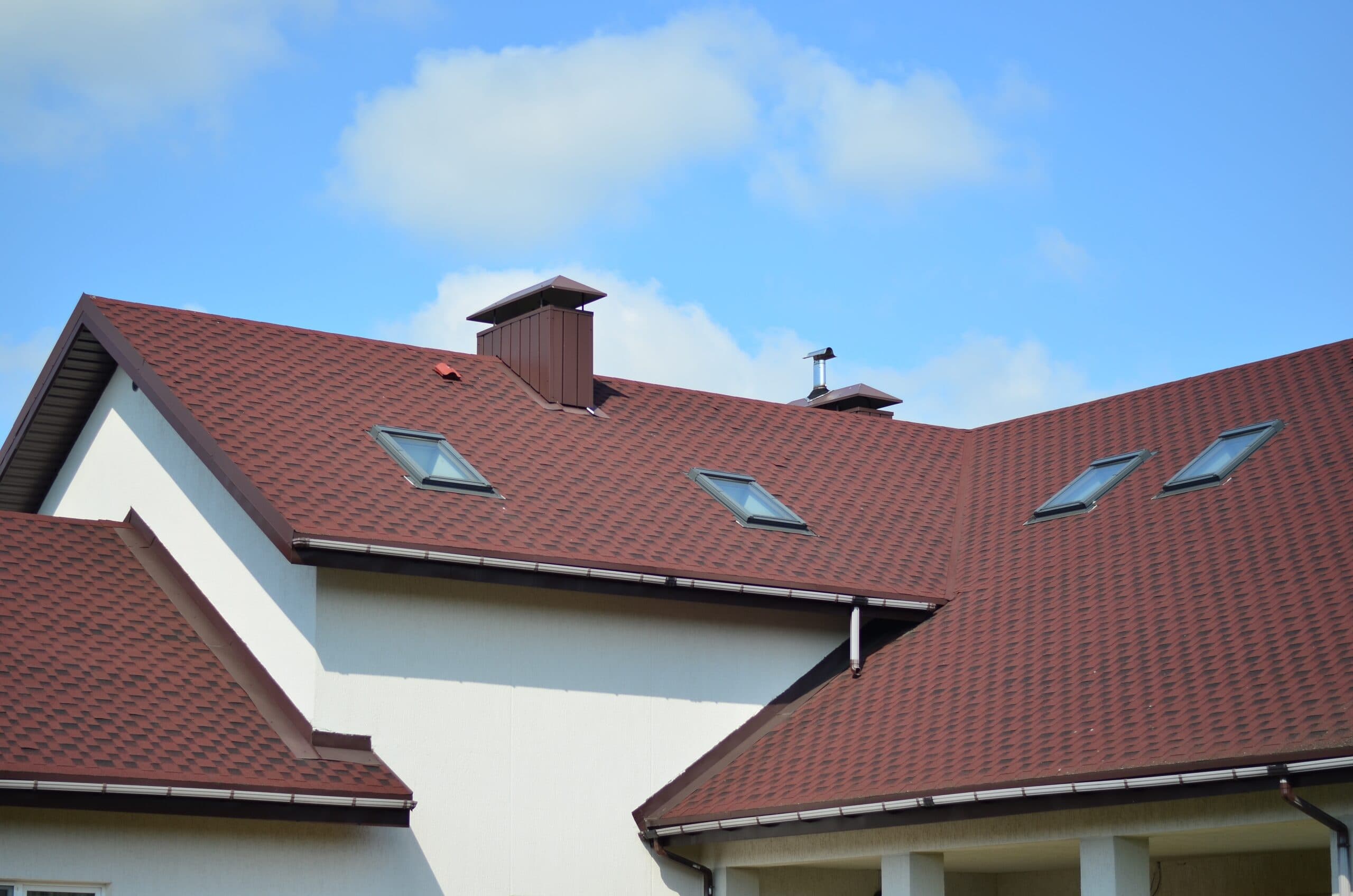
Here's the short version: a growing number of New Jersey carriers now treat the age of your roof as a reason to non-renew the whole policy, or to keep you only if the roof gets reclassified to actual cash value. This isn't about whether a storm is covered. It's about whether the company wants to keep insuring your house at all, with the roof being the line item that decides it. We're hearing it from homeowners every week now — a renewal letter shows up asking for a roof inspection, or worse, a notice that the policy won't renew unless the roof gets replaced first.
We're roofers, not insurance agents, so read this as a contractor's field view and not legal advice — your carrier and your policy set the actual rules. But we've stood on a lot of roofs lately that an underwriter flagged, and the pattern is consistent enough to plan around. Here's what's driving it, the rough age lines where it kicks in, and what you can actually do before the letter lands.
Why Are NJ Insurers Suddenly Dropping Older Roofs?
The short answer is that the property-insurance market hardened, and the roof is the easiest thing on a house to judge from the sky. Carriers have been hit with years of heavier storm losses and rising rebuild costs, and they responded by tightening who they'll write and at what terms. Aerial imagery made it cheap to do at scale — an underwriter can pull a recent overhead shot of your roof and grade its condition without anyone leaving a desk.
A roof is also the part of the house most likely to fail next and turn into a claim. From the carrier's chair, an old roof is a loss waiting to happen, so they manage that risk three ways: ordering an inspection before renewing, stepping the payout down by the roof's age, or quietly moving the roof to actual cash value in the renewal packet. New Jersey homeowners are seeing all three. The freeze-thaw cycles that beat up roofs here every winter don't help the math — our climate ages a roof faster than a mild one, and the carriers' models know it.
At What Age Does a Roof Become an Insurance Problem in NJ?
There's no statewide rule and no single number every carrier uses — but as a general industry pattern, a few age bands show up again and again on the renewals we see:
- Around 15 years: this is where many carriers stop taking the roof on faith. Expect a request for a roof inspection or a condition report at renewal, and on some policies an endorsement that converts the roof to actual cash value instead of replacement cost.
- Roughly 20 years and up: this is where it gets genuinely hard. Some carriers won't write a new policy on a roof this old at all, and others will renew an existing one only if you commit to replacing the roof within a set window. A roof past this line is the single most common reason we get called by a homeowner who just got a non-renewal notice.
- Material matters too: a slate or metal roof carries a much longer expected service life than asphalt, so the same age that flags a shingle roof may not flag those at all. Carriers don't always account for that automatically — which is one more reason to have condition documented rather than letting age alone decide.
Treat those bands as the weather, not the law. They vary carrier to carrier and they're moving, generally tighter. The honest takeaway is that if your asphalt roof is into its second decade, you should assume the question is coming and get ahead of it. Our breakdown of how long a roof actually lasts in NJ lays out the real service life by material, which is the number underwriters are quietly measuring you against.
ACV vs. RCV: What Changes When Your Roof Gets Reclassified
This is the quiet move that costs people the most, because it doesn't cancel anything — your policy renews, the coverage just gets hollowed out. Replacement cost value (RCV) pays what it takes to install an equivalent new roof today, minus your deductible. Actual cash value (ACV) pays that same cost minus depreciation: the share of the roof's useful life you've already burned through.
The depreciation works like a car rolling off the lot. Carriers assign asphalt a service life on their internal schedules, and every year your roof creeps toward the end of that schedule, the ACV payout shrinks. A roof deep into its expected life has lost most of its paper value before your deductible even comes off — so a covered storm that would have funded a new roof under RCV now pays a sliver, sometimes less than the deductible itself. The coverage line on your declarations page still reads roof, but it's no longer pointed at a roof you could actually replace with it.
So pull your declarations page and find how the roof is valued. If it already says ACV, the storm you're insuring against won't pay for the roof it damages — which flips the whole calculation toward replacing on your own schedule, at a competitive written bid, instead of waiting for a check that won't cover the job.
What Can a Homeowner Actually Do About It?
More than most people think, and almost all of it works better before the renewal letter than after. The plays, in the order we'd run them:
- Get the roof inspected and documented before your renewal date. A photo-documented condition report — flashing, field, penetrations, decking where it's visible — is the single most useful thing you can hand an underwriter who's working off an aerial photo. A roof that grades out sound on paper is much harder to flag than one judged from a blurry overhead shot.
- Know the real condition before the carrier decides it for you. If the inspection turns up problems, you'd rather hear it from your own roofer with time to act than from an adjuster after a denial. If it comes back clean, you've got the evidence to push back on a non-renewal.
- If the roof is near the end of its life, replace it on your terms. Replacing before a non-renewal means you choose the timing, the bid, and the material — instead of scrambling under a deadline the carrier set. It's the difference between a planned project and a forced one.
- Consider an impact-resistant upgrade when you do replace. Class 4 shingles carry a UL 2218 impact rating, and many carriers offer a premium discount for them — the amount varies by carrier, and we never promise a specific number, but it's worth asking your agent before you pick a shingle. More on that in our guide to impact-resistant shingles in NJ.
That documentation step is where we spend most of our time on these. A free roof inspection gives you a written, photo-backed report of exactly what the roof is — the kind of record that answers an underwriter's question before it becomes a problem. And if a claim is already in motion, our walkthrough of how the insurance claim process works covers where age and documentation collide.
How a New Roof Resets the Whole Equation
A new roof doesn't just stop leaks — it resets the clock the carrier is watching. Once the roof is new, the age flag disappears, the underwriter's aerial photo grades out clean, and the policy can go back to replacement-cost terms instead of the depreciated ACV the old roof had been pushed into. The thing that was making you uninsurable becomes the thing that makes you easy to insure.
It can move the premium, too. A new roof is a lower risk, and some carriers price that in; pair it with a Class 4 impact-rated shingle and there may be a further discount on top, depending on the carrier. We won't quote you a percentage — that's between you and your agent — but a roof replacement done right is the cleanest way to get a flagged house back to normal terms. Keep the final paperwork: a dated invoice and the photos are what you send the carrier to get the roof reclassified and the coverage restored.
Worth saying plainly: we're a licensed NJ Home Improvement Contractor, registration #13VH12696700, GAF Certified, insured, with masons and roofers on one crew. Every estimate is free, written, and itemized, and the workmanship warranty comes in writing. We'll also tell you when a roof has years left and the smarter move is to document it and push back on the carrier rather than replace anything.
When Should You Act?
Before the renewal, not after. The leverage all lives on the front end — once a non-renewal notice is in hand, you're working against a clock somebody else set, and your shopping options narrow because the next carrier sees the same roof. If your asphalt roof is past about fifteen years, or you've already gotten an inspection request or an ACV endorsement at renewal, that's the signal to get a real condition report on file.
The pattern we keep seeing is homeowners reacting to the letter instead of the calendar. A written inspection costs you nothing and buys you the one thing a renewal deadline takes away — choice. Reach us through the contact page or our 24/7 line, and we'll start with the inspection, not the sales pitch.
Need Help With This?
We provide free, no-obligation inspections across New Jersey. Honest assessment, photo report, and a written estimate.