
·Process
How Long Does a Roof Actually Last in New Jersey? (Real-World Lifespan vs Warranty)
Shingle warranties say 30 years or 'lifetime' — real-world NJ roofs often need replacement at 22. Here's why warranty years and actual lifespan diverge, what affects yours, and how to plan replacement on your timeline.
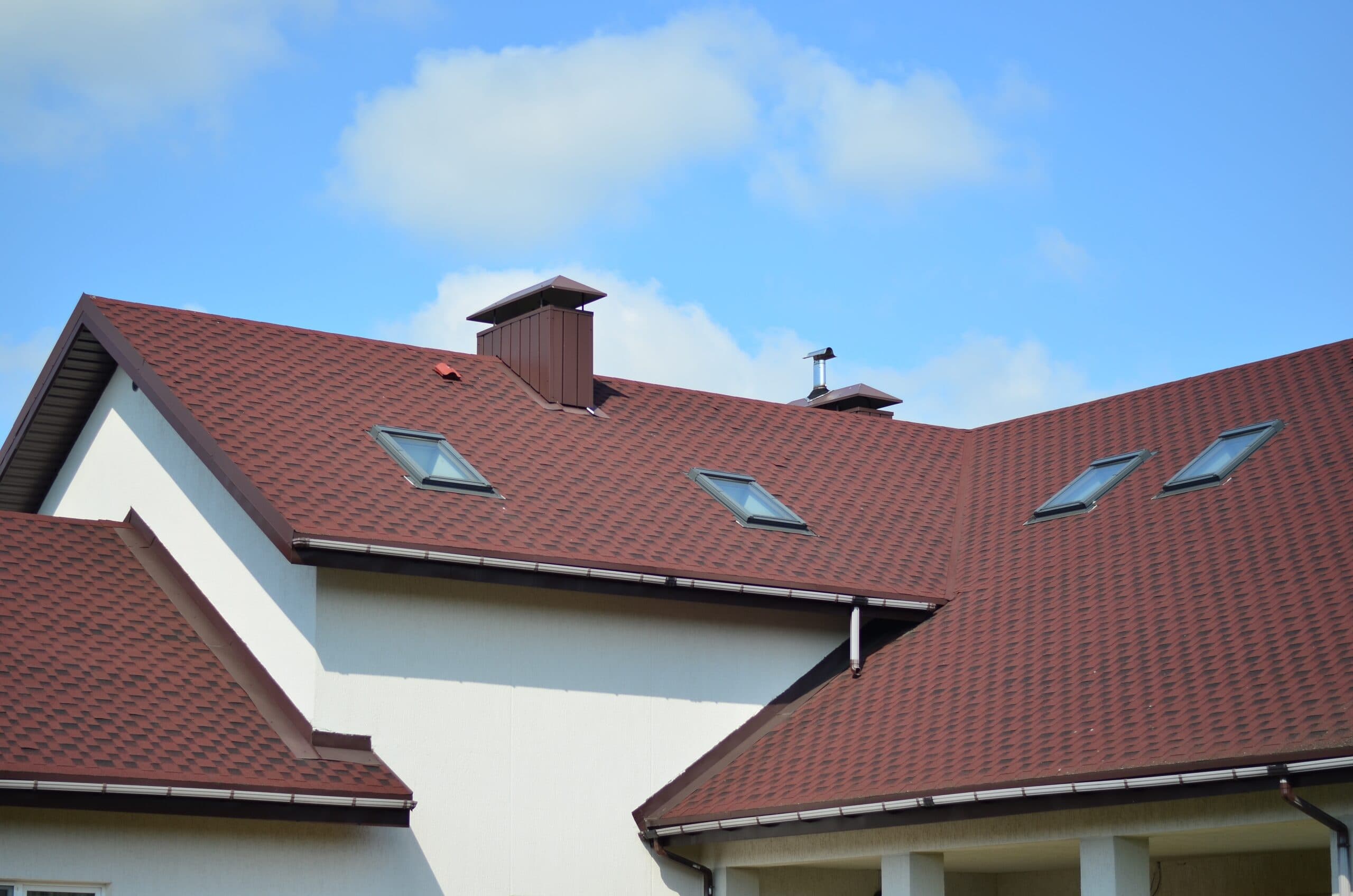
Every shingle manufacturer prints a warranty period — 30 years, 50 years, limited lifetime — and most homeowners interpret those numbers as the roof's expected lifespan. The reality is more nuanced. Manufacturer warranty terms and real-world roof life are different things, often by significant margins. Understanding the difference helps you plan replacement on your timeline rather than reacting to a failure that surprises you a decade before you expected.
Real-world NJ roof lifespans depend on several factors that have nothing to do with the warranty number printed on the box. Climate, ventilation, install quality, maintenance, and storm exposure all affect actual lifespan in measurable ways. Some roofs make it 30+ years; others fail by year 18. Here's what determines which side of that range you'll land on.
What Manufacturers Actually Guarantee
The fine print of a 'limited lifetime' or '30-year' shingle warranty is more limited than the marketing language suggests. Standard residential shingle warranties cover:
- Material defects — manufacturing flaws that cause premature shingle failure. This is the core coverage.
- Coverage is typically pro-rated — full replacement value in the first 10–15 years, declining percentages after that.
- Coverage is contingent on proper installation per manufacturer spec. Installation defects void the warranty.
- Coverage requires that you can prove a defect (not just that the shingles aged), which usually requires manufacturer inspection.
What's not covered: normal aging and wear, weather damage from storms (that's homeowner insurance's job), damage from inadequate attic ventilation, installation defects (the contractor's job to fix), and damage from missed maintenance like clogged gutters causing ice dams.
In practice, the warranty matters most for the first 10–15 years if a manufacturing defect appears. After that, the pro-ration makes warranty claims worth less, and most end-of-life failures fall outside what's covered anyway. Treat the warranty as protection against manufacturing defects, not as a guarantee of roof life.
Real-World Average Lifespan in NJ
In NJ's climate with average ventilation and average maintenance, the typical architectural asphalt roof lasts 22–28 years before practical end-of-life — defined as the point where granule loss, seal failures, or repeated leak patterns make full replacement more economical than continued repair.
Within that 22–28 year range, where your specific roof lands depends on factors we'll cover below. Roofs at the high end of the range (28+ years) are usually those with excellent ventilation, minimal storm exposure, and good ongoing maintenance. Roofs at the low end (18–22 years) usually have inadequate ventilation, significant storm history, or installation issues that propagated damage early.
Three-tab shingles (which we've covered in another article and don't recommend) typically last 18–22 years in NJ — significantly less than architectural. Premium designer shingles often last 30+ years when properly installed and ventilated.
What Shortens Roof Life
Several factors meaningfully shorten roof lifespan beyond what's typical:
1. Inadequate Attic Ventilation
This is the #1 lifespan killer. We've covered ventilation in detail elsewhere — overheated attics age shingles 2–3× faster than properly ventilated ones. A 30-year shingle on an unventilated roof can be at end-of-life in 18 years. The fix (balanced soffit-to-ridge ventilation) is straightforward and significantly extends the life of any new roof.
2. Storm and Hail Exposure
NJ sees regular nor'easters, occasional hail events, and the periodic hurricane. Each significant storm event causes some shingle damage — granule loss, lifted seals, occasional missing tabs. Roofs that experience multiple major storm events age faster than sheltered roofs in the same neighborhood.
Specific impact depends on storm severity. A typical thunderstorm doesn't significantly affect roof life. A direct hit from a major hailstorm can shorten roof life by 5+ years even with insurance-paid repairs. Cumulative storm exposure over 25 years is one of the harder-to-control lifespan factors.
3. Heavy Tree Cover
Trees provide shade (which helps prevent UV-driven aging) but also create problems:
- Slow drying after rain promotes algae and moss growth on north-facing slopes.
- Falling branches damage shingles.
- Acorns, leaves, and seed pods clog gutters and downspouts, contributing to ice dams.
- Tree sap and bird droppings can stain and degrade shingles in concentrated areas.
- Squirrels and other wildlife use trees as access to attics, where they cause damage.
Net effect: heavy tree cover usually shortens roof life modestly (2–4 years) relative to similar homes without trees, despite the UV benefit.
4. Poor Original Install
Installation quality affects long-term performance in ways that don't show up until years later. Common install defects that shorten roof life:
- Improper nailing — nails in the wrong location or driven too deep/shallow create failure points.
- Skipped or improper ice-and-water shield installation.
- Failed flashing details at chimneys, walls, and penetrations.
- Inadequate ventilation specs (paired with the roof rather than fixed).
- Inappropriate underlayment choices (cheap felt instead of quality synthetic).
- Layover over a single layer when tear-off would have been appropriate.
Install defects compound over time. A roof that started with mediocre install will reach end-of-life faster than the same shingles would have on a quality install.
What Extends Roof Life
On the positive side, several factors meaningfully extend roof life:
- Properly balanced soffit-to-ridge ventilation. The single biggest lever.
- Routine gutter cleaning that prevents fascia rot and ice dams. Twice a year minimum.
- Quick repair of small problems before they spread. A missing shingle fixed within a week doesn't propagate damage; the same shingle left for a season can cause underlying deck damage.
- Periodic professional inspections (every 3–5 years) to catch issues you can't see from the ground.
- Quality original install with proper materials and trained installers.
- Algae-resistant shingles for shaded slopes (most modern architectural lines include this).
- Snow removal from low-pitch sections in heavy snow years to prevent excessive load.
How to Estimate Your Roof's Age
If you didn't have your roof installed yourself and aren't sure how old it is:
- Check closing documents from when you bought the house. Major roof work is often disclosed at sale.
- Look at the manufacturer code stamped on the back of a shingle (visible from the attic if you have a sample, or from the ground if a shingle is lying loose). The code includes manufacturing date.
- Check town building department records for permit history at your address.
- Look at your home insurance documents — some carriers note roof age in the dec page.
- Have a roofer estimate it from granule wear, seal-strip condition, and visible UV degradation patterns. We can typically estimate roof age within 2–3 years from inspection.
When to Plan Replacement
The right time to start planning a roof replacement is at year 18–22 of a typical 25-year roof. Reasons to plan ahead rather than wait for a failure event:
- Schedule flexibility — you can get bids in slow seasons (late fall, early spring) and have your pick of contractors. Reactive replacement during peak summer means contractors are booked and prices are higher.
- Insurance considerations — some carriers tighten coverage on roofs older than 20 years, and may deny claims for damage on roofs over 25. Replacing proactively avoids these issues.
- No interior damage — replacing before an active leak means no ceiling/drywall/insulation repair on top of the roof cost.
- Better material selection — you have time to research options, compare contractors, and choose what you actually want rather than what's available immediately.
- Better price — off-season scheduling and time to compare multiple bids both reduce final cost.
Free Roof-Age Assessments
We provide free written assessments for any NJ homeowner that include current roof age estimate, expected remaining life, and a clear 'replace now / replace within X years / replace when issues develop' recommendation. The assessment lets you plan rather than react. Call (201) 779-3961 or use our online quote form to schedule. If your roof is fine, you get documentation that confirms it (useful at resale time). If it's approaching end-of-life, you have time to do the next replacement right.
Last updated
Need Help With This?
We provide free, no-obligation inspections across New Jersey. Honest assessment, photo report, and a written estimate.