
·Materials
Lightweight Roofing Material Options for NJ Homes
Want the look of slate, tile, or shake without the structural weight? Here are the lightweight roofing materials that deliver premium aesthetics and long life on NJ homes that can't carry heavy roofs.
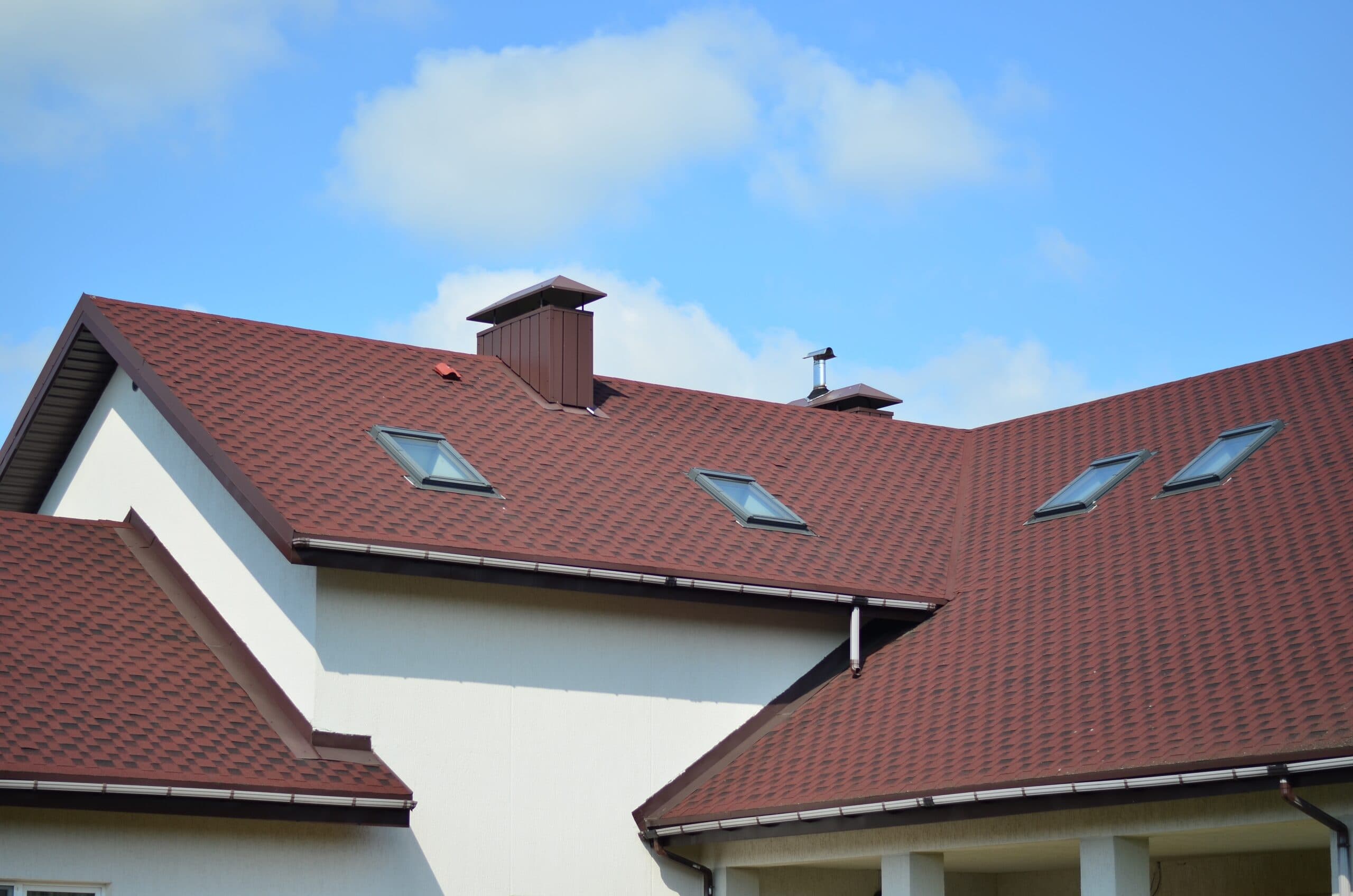
Some of the best-looking roofing materials — natural slate, clay tile, real cedar shake — are also among the heaviest, and not every home's structure is built to carry them. If you love the look of a premium roof but your home wasn't framed for the weight (or you simply don't want to pay for structural reinforcement), lightweight roofing materials let you get the aesthetic and the longevity without the load. This guide covers the lightweight options that actually perform well on New Jersey homes.
Weight matters more than most homeowners realize. Natural slate can weigh 800–1,500 pounds per square (100 sq ft); clay tile is similar; even real cedar is heavier than asphalt. Homes originally built for these materials carry the load fine, but converting a home framed for asphalt to a heavy material often requires structural reinforcement that adds significant cost. Lightweight alternatives sidestep that problem entirely.
Why Roof Weight Matters in New Jersey
Beyond the basic question of whether your framing can hold the material, weight matters in NJ specifically because of snow load. A heavy roof material plus a heavy winter snow accumulation puts real stress on the structure. Lightweight materials leave more of your structure's load capacity available for snow — a genuine consideration in a state that sees significant nor'easter snowfall. For homes with marginal framing or older construction, lighter is often the safer engineering choice.
1. Synthetic (Composite) Slate
Synthetic slate is the standout lightweight option for homeowners who want the slate look. Made from engineered polymer composites, it weighs a fraction of natural stone — light enough to install on virtually any home framed for asphalt — while convincingly mimicking the dimension and color variation of real slate. It carries 40–50 year warranties, resists impact better than natural slate (which can crack), and costs roughly a third of natural slate installed.
- Weight: comparable to or lighter than architectural asphalt — no structural reinforcement needed.
- Lifespan: 40–50 years.
- Look: convincingly slate-like, with color and thickness variation.
- Best for: homes wanting the slate aesthetic without the weight or cost.
2. Stone-Coated Steel
Stone-coated steel combines the longevity and light weight of metal with the appearance of asphalt shingle, wood shake, or even tile — the steel panels are coated with stone granules that give them a traditional textured look rather than the sleek standing-seam metal aesthetic. It's extremely light, performs exceptionally in wind, and sheds snow well. For homeowners who want metal's durability but not metal's modern look, stone-coated steel is the bridge.
- Weight: very light — among the lightest roofing options available.
- Lifespan: 40–50+ years.
- Look: textured shingle, shake, or tile profiles — traditional, not industrial.
- Best for: wind-exposed homes and HOAs that want metal performance with a conventional appearance.
3. Architectural Asphalt Shingle
It's easy to overlook the obvious: architectural asphalt is itself a lightweight material, and modern designer asphalt lines convincingly imitate slate and wood shake at a fraction of the weight and cost of the real thing. For many homeowners chasing a premium look on a budget and a structure that wasn't built for heavy materials, a designer architectural shingle is the most practical lightweight 'premium-look' choice — no structural concerns, easy future repairs, and lifetime-limited warranties.
- Weight: light — the baseline that homes are typically framed for.
- Lifespan: 25–30 years (designer lines at the top of that range).
- Look: designer lines mimic slate and shake; standard lines are classic architectural.
- Best for: the broadest range of homes and budgets.
4. Standing-Seam Metal
Standing-seam metal is light, long-lasting, and increasingly popular on NJ homes — though its clean, linear, modern look is a different aesthetic than slate or shake. If the contemporary metal appearance suits your home, it's one of the best lightweight choices available: 40–60 year lifespan, excellent snow shedding, and light enough for any standard structure. We cover the standing-seam vs. corrugated decision in detail in a separate guide.
How to Choose
The right lightweight material comes down to the look you want and your budget:
- Want the slate look, light and affordable: synthetic slate.
- Want metal durability with a traditional appearance: stone-coated steel.
- Want a premium look on the tightest budget: designer architectural asphalt.
- Want a modern, clean aesthetic and maximum lifespan: standing-seam metal.
All four avoid the structural reinforcement that heavy natural materials often require on homes not originally built for them — which can save thousands before a single shingle goes on.
Not Sure What Your Structure Can Carry?
Before recommending any material, we assess what your home's structure is rated to support — and whether a heavy material would require reinforcement. Often a lightweight option delivers the look you want with no structural work at all. We bring samples of synthetic slate, stone-coated steel, and designer architectural shingle to every estimate so you can compare them in person against your home. Call (201) 779-3961 or request a free consultation online, and we'll help you find the right balance of look, longevity, weight, and budget.
Last updated
Need Help With This?
We provide free, no-obligation inspections across New Jersey. Honest assessment, photo report, and a written estimate.