
·Process
What Actually Happens During a Professional Roof Inspection (27-Point Walkthrough)
A 'free roof inspection' can mean 5 minutes from the driveway or a thorough 27-point assessment with a written report. Here's exactly what we do during a Tri-State inspection — and what to demand from any roofer.
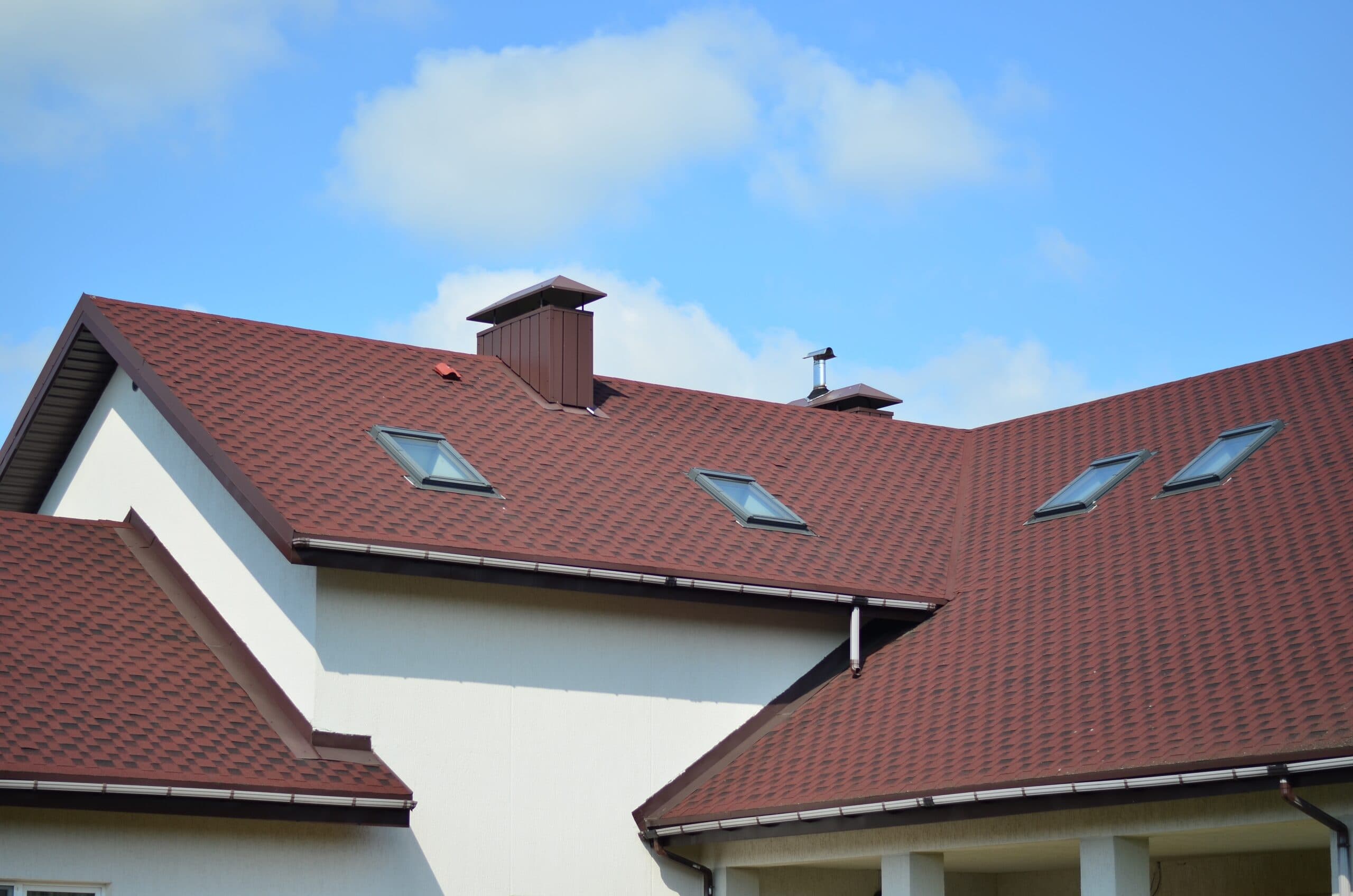
A 'free roof inspection' can mean very different things depending on the contractor. Some roofers spend five minutes looking at the roof from the driveway, give you a verbal opinion, and try to schedule the install. Others do a thorough multi-point assessment with photos, a written report, and severity ratings on each finding. The difference matters — a quick visual gives you almost no actionable information; a real inspection identifies issues you can prioritize and helps you plan rather than react.
This article walks through exactly what happens during a Tri-State inspection in New Jersey, step by step, so you know what to expect from us and what to demand from any other roofer you bring in for a quote. The 27-point assessment we follow is built around the failure modes we see most often in NJ residential roofing.
Pre-Arrival: Confirmation and Communication
We confirm every appointment by phone or text the morning of the visit, give you an arrival window, and let you know when we're 15 minutes out. No surprise visits, no 'we'll be there sometime between 8 AM and 6 PM.' If we're running late we call. If we have to reschedule, we tell you as early as possible.
Two crew members typically arrive — one to handle the exterior roof walk, one to handle the attic inspection. Smaller jobs are sometimes one person, but anything where we expect to find significant issues, we send two so the documentation gets done thoroughly.
Step 1: Exterior Walk-Around (Ground Level)
Before climbing anywhere, we walk the perimeter of the house and photograph the property from the ground. We look for:
- Shingles in the yard, in the gutters from above, or against the foundation.
- Granule trails near downspouts and on the siding below gutters — indicates accelerated wear.
- Sagging gutters, pulled-away gutter sections, or visible damage.
- Peeling fascia paint or visible soft spots on fascia or soffit.
- Overflow staining on the siding from chronic gutter clogs.
- Visible damage to chimneys, skylights, or roof penetrations from below.
- Any general signs of recent storm damage, fallen branches, or pest evidence.
This ground-level survey takes 10–15 minutes and identifies the issues that don't require getting on the roof. Many problems are visible from here if you know what to look for.
Step 2: Roof Access and Full Walk
Safe roof access matters. We use proper extension ladders with stabilizers, maintain three-point contact at all times, and wear harnesses with secured anchor points on anything over 6/12 pitch. This isn't optional — fall protection is the difference between a routine visit and a life-changing accident.
Once on the roof, we walk every accessible slope and check:
- Shingle condition slope by slope — granule wear, seal-strip integrity, curling, cupping, missing or lifted tabs.
- Flashing at every penetration — chimneys (step flashing, counter flashing, crown), vents (boot condition, seal integrity), skylights (frame flashing, glass condition), walls (step flashing, kick-out flashing where required).
- Drip edge along every eave and rake — proper installation, separation, damage.
- Ridge cap condition — missing or damaged ridge caps, ventilation slot integrity.
- Ventilation components — ridge vents, gable vents, powered fans (if present), turbines.
- Valley condition — open valleys, closed-cut valleys, woven valleys (each type has different failure modes).
- Gutters and downspouts up close — attachment to fascia, slope, debris levels, downspout connection.
- Chimney masonry condition from the roof — crown cracks, mortar deterioration, brick spalling, cap presence.
The roof walk takes 20–40 minutes depending on size and complexity. We photograph every issue found with location notes (which slope, what end, near what feature).
Step 3: Attic Inspection from Below
While one technician walks the roof, the second checks the attic with a flashlight. The attic tells us about water entry, ventilation, and moisture issues that aren't visible from outside:
- Underside of the deck — daylight pinpricks (active leak paths), water stains (current or historical), mold or mildew.
- Insulation condition — wet spots, matted areas, missing coverage, blocked soffit ventilation.
- Ventilation flow — soffit baffles open, ridge vent unblocked, air path unobstructed.
- Rafters and framing — staining, rot, structural concerns.
- Bath/kitchen fan ducting — venting to outside (correct) or into the attic (incorrect).
- Pest entry signs — droppings, nesting material, gnawed wood, dropped acorns/insulation.
- General moisture and air quality — frost on cold mornings (ventilation issue), persistent damp smell (moisture issue), visible condensation.
Attic inspection takes 15–25 minutes and often surfaces issues that don't appear from outside until much later — making this one of the most valuable parts of the inspection.
Step 4: Chimney and Masonry Detail
If your home has a chimney, we inspect it in detail from the roof:
- Crown condition — cracks across the top, missing chunks, separation from the flue tile.
- Mortar joint condition in the upper third of the chimney — deterioration, gaps, recessed mortar.
- Step flashing condition — separation from masonry, lifted edges, visible caulk failures.
- Counter flashing condition — installed into mortar reglet or just caulked on top.
- Cap or chase cover — presence, condition, damage.
- General brick condition — spalled bricks, white efflorescence indicating moisture issues.
Chimney inspection often surfaces issues homeowners didn't know existed — and chimney leaks frequently masquerade as roof leaks until properly diagnosed.
Step 5: Detailed Documentation
Every issue we find gets photographed with the location clearly noted. We don't just say 'flashing damaged' in our notes — we document 'step flashing at northeast chimney corner pulled away from masonry, gap approximately 1/4 inch, photograph attached.' Specific, locatable, photographable.
The photos serve multiple purposes:
- Visual reference for our written report so you can see what we describe.
- Documentation for insurance claims if applicable.
- Comparison baseline for future inspections — we can see how issues have progressed.
- Evidence supporting our repair or replacement recommendation.
Step 6: Written Report (Within 24 Hours)
Within 24 hours of the inspection, you receive a written report including:
- Every finding from the inspection, with specific location and photo.
- Severity rating: 'monitor' (small issue, watch over time), 'repair soon' (needs attention within months), or 'replace' (major issue or generalized failure).
- Recommendation based on the overall roof condition — continue current monitoring, schedule specific repairs, plan replacement within X timeframe.
- Estimated remaining roof life based on observed wear and aging.
- Cost estimate for recommended work, if any.
The report is yours to keep. Useful for insurance, home sale preparation, comparison with other contractor bids, or just personal records. We don't withhold the report or only show it to you in-person — you get the full written document by email.
Step 7: No-Pressure Conversation
After the inspection, we have a conversation about what we found. The tone matters: we don't try to sell you anything you don't need. If the roof is fine, we tell you it's fine. If it needs minor repair, we quote the repair without trying to upgrade it to replacement. If it needs replacement, we quote that honestly with no high-pressure follow-up if you decide to wait or get other estimates.
Things we explicitly don't do:
- Pressure tactics like 'today only' pricing or 'we're starting in your neighborhood next week.'
- Made-up issues. If the roof is fine, the report says it's fine.
- Upsells that aren't justified by what we found.
- Repeated follow-up calls if you've indicated you're not ready to move forward.
- Refusing to give you the written report unless you commit to using us.
What to Demand from Any Roofer's Inspection
If you're getting roof inspections from multiple contractors, these are the standards to hold them to:
- Actual roof access — not just ground-level visual. If they don't get on the roof, they didn't really inspect it.
- Attic inspection. Many problems show up here first.
- Photos of any issues claimed. 'Trust me' isn't documentation.
- Written report you can keep. Verbal-only assessments are too easy to manipulate later.
- Specific findings — not vague generalities like 'your roof is in bad shape.'
- Honest 'this is fine' answers when appropriate. A contractor who finds problems on every inspection is selling, not inspecting.
Free Inspections Across NJ
Our inspections are free across the NJ service area — no obligation, no high-pressure follow-up. You'll receive a thorough 27-point assessment, written report with photos within 24 hours, and honest assessment of whether you need work or whether everything is fine. Call (201) 779-3961 or use our online quote form to schedule.
Last updated
Need Help With This?
We provide free, no-obligation inspections across New Jersey. Honest assessment, photo report, and a written estimate.