
·Maintenance
Spring Roof Checkup: 7 Things to Look for After a NJ Winter
Every NJ roof takes a beating from winter — ice cycles, snow loads, freeze-thaw expansion. This 7-point spring checklist catches the damage before summer thunderstorms hide it under more water.
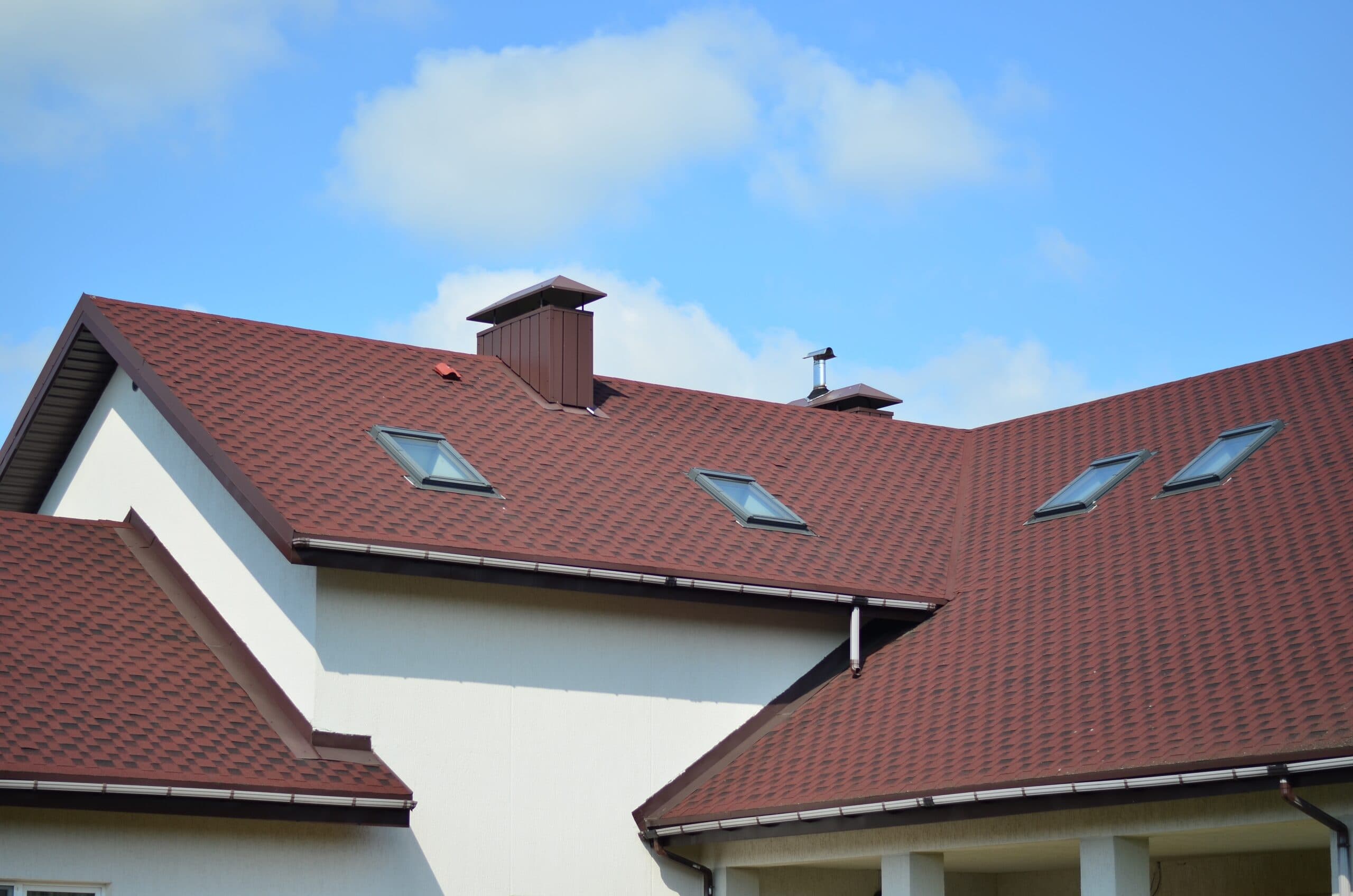
By March, your New Jersey roof has weathered ice cycles, snow loads, freeze-thaw expansion, and possibly a few wind storms. Spring is the inflection point: catch issues now and you have time to plan repairs on your terms; miss them and the first summer thunderstorm finds every weakness winter created and turns small problems into ceiling stains.
Below is the 7-point spring checklist we run on every professional inspection — designed so most of it can be assessed from the ground or with a stable ladder. Anything that genuinely requires walking the roof we recommend a pro handle. The goal is to identify what winter did so you can decide whether you need repair work, an inspection, or just continued monitoring.
1. Check the Gutters for Granules
After every winter we see granule loss patterns in the gutters. Some loss is normal — winter freeze-thaw cycling naturally accelerates shingle wear. But piles of granules at the bottom of downspouts indicate accelerated wear from ice scour, ice-dam damage, or general aging-out.
How to assess: scoop a handful of debris from the gutter and look at the proportion of granules vs. organic debris. Small amounts of granules mixed with leaves is normal. Piles of granules with little other material indicate the shingles are shedding their UV-protective coating at an unusual rate. Photograph what you see and compare year over year — the trend matters more than any single year's observation.
What it means: significant granule loss on a roof under 10 years old indicates a problem (storm damage, manufacturing defect, or installation issue). On a roof over 20 years, it's end-of-life. On a roof between 10–20 years, monitor closely and plan replacement within the next few years.
2. Scan for Missing or Lifted Shingles
Walk the property perimeter and scan every roof slope with binoculars or phone zoom. Look for missing shingles, lifted edges, and any shingles that aren't lying flat. Wind-lifted shingles often re-seat themselves loosely in summer heat as the asphalt softens — but they don't fully reseal, and they'll blow off in the next storm if not addressed proactively.
Check the sides of the house that faced recent storm winds. Wind damage is rarely uniform; one side often shows significant damage while the others look fine. Note which slope you found damage on for the roofer.
Action: missing shingles need replacement before summer storms. Lifted but present shingles need professional re-sealing or replacement. A roofer can handle a typical shingle repair in 30–60 minutes; waiting for the next storm to make it worse is the wrong approach.
3. Inspect Flashings at Every Penetration
Step flashing at chimneys and walls, drip edge at eaves, counter-flashing at parapets, and pipe boots at plumbing stacks all take a beating from freeze-thaw cycling. Spring is when the cumulative damage is most visible. From a ladder (not on the roof), look for:
- Gaps between flashing metal and the masonry or wall it's sealed to.
- Lifted or curled flashing edges — caulk that held them down has cracked.
- Cracked or yellowed caulk lines that need to be reapplied or, better, replaced with proper flashing detail.
- Pipe boots with cracked rubber gaskets — common after winter UV cycling.
- Drip edge that's separated from the eaves or rake.
Flashing repairs are typically inexpensive when done before they cause interior water damage. Once water has entered through failed flashing and damaged ceilings or walls, the cost of repair multiplies.
4. Look for Ice-Dam Evidence
Even if you didn't notice ice dams over the winter, evidence of them often appears in spring. Look for:
- Stained eaves where ice held against the roof — usually visible as darker discoloration on the soffit boards.
- Wet or matted insulation in the attic, especially near the exterior walls.
- Interior ceiling stains near the exterior walls or directly above the eaves.
- Peeling paint on interior or exterior walls just below the roof line.
- Mold or mildew smell in attic spaces near the eaves.
Ice-dam damage often hides until spring thaw releases trapped water. Address the cause now (insulation/ventilation/air sealing) and the interior damage repair before summer hides the source of any chronic issue.
5. Check the Soffit and Fascia
Winter moisture wear on the soffit (the horizontal underside of the roof overhang) and fascia (the vertical board behind the gutter) is most visible in spring. Probe suspicious areas with a screwdriver or a finger — soft spots indicate rot. Look for:
- Peeling paint on the fascia — usually means water has been saturating from behind.
- Visible staining on the soffit surface from gutter overflow.
- Soft, spongy, or crumbling wood when probed.
- Signs of pest entry where animals exploited softened wood (gnaw marks, holes, droppings).
- Gaps between the soffit panels or between soffit and fascia.
Soffit and fascia repair is more economical when caught early — once rot spreads to adjacent rafters or sheathing, the scope expands significantly.
6. Inspect the Attic
Climb up with a flashlight after dark or on a sunny day with the flashlight off. You're looking for the same things you'd look for in fall, but with the added context of what winter did:
- Daylight pinpricks through the deck — active leak paths.
- Water staining on the underside of the deck, especially around chimneys, vents, and the eaves.
- Wet or matted insulation, especially near the exterior walls (ice-dam evidence).
- Mold or mildew smell indicating trapped moisture that didn't dry out.
- Visible mold growth on the underside of the deck or on framing — black, green, or white patches.
- Frost or condensation residue, which indicates inadequate ventilation that should be addressed before another winter.
Any of these warrant a professional inspection. The attic is the early-warning system for the roof above — issues here predict problems that will be visible on the ceiling later.
7. Schedule a Professional Inspection
If anything from items 1–6 raised a flag, get a roofer up there for a real inspection. What a homeowner can spot from the ground or attic is a subset of what's actually going on. A trained eye walking the roof catches:
- Subtle shingle wear patterns that suggest accelerated aging.
- Flashing details that need attention but aren't obviously failing yet.
- Granule loss that's localized to one slope (indicating storm damage or hail) vs. generalized (age-out).
- Underlayment condition where it's exposed at the eaves and rake edges.
- Ridge ventilation status — whether it's flowing or clogged.
- Detail-level issues at chimneys, dormers, and skylights.
Our spring inspections are free across the NJ service area. We provide a 27-point walk-through with photos and a written report rating issues as 'monitor,' 'repair soon,' or 'replace.' If your roof is in good condition, we tell you so — and you have documentation that confirms it (useful at resale time).
What Skipping the Spring Check Costs You
We see the consequences of skipped spring checks every summer. The pattern is consistent:
- Winter damage that wasn't addressed in spring becomes a leak when the first summer thunderstorm hits.
- Interior water damage compounds the original repair scope — now you're repairing the roof AND the ceiling/drywall/insulation below.
- Emergency response pricing applies because the leak needs immediate attention.
- Contractor schedules are full in July and August, so you wait longer for non-emergency follow-up work.
A typical preventive spring repair is a minor line item. The same issue addressed reactively in summer — once the ceiling, insulation, and drywall get involved — runs an order of magnitude more. The math heavily favors proactive checks.
Free Spring Inspections in New Jersey
If your roof made it through winter without obvious problems, great — get a quick inspection anyway and have documentation that confirms it. If you noticed any signs from items 1–6, the inspection is essential. We provide free, no-obligation spring inspections across our NJ service area with a written report and photos. Call (201) 779-3961 or schedule online — early spring appointments are usually available within a week.
Last updated
Need Help With This?
We provide free, no-obligation inspections across New Jersey. Honest assessment, photo report, and a written estimate.