
·Materials
How Long Do Asphalt Shingles Last in New Jersey?
Manufacturer warranties say 30 years. NJ asphalt roofs commonly need replacement at 22. Here's the honest data on real-world lifespan in our climate and what makes the difference between a roof that lasts and one that fails early.
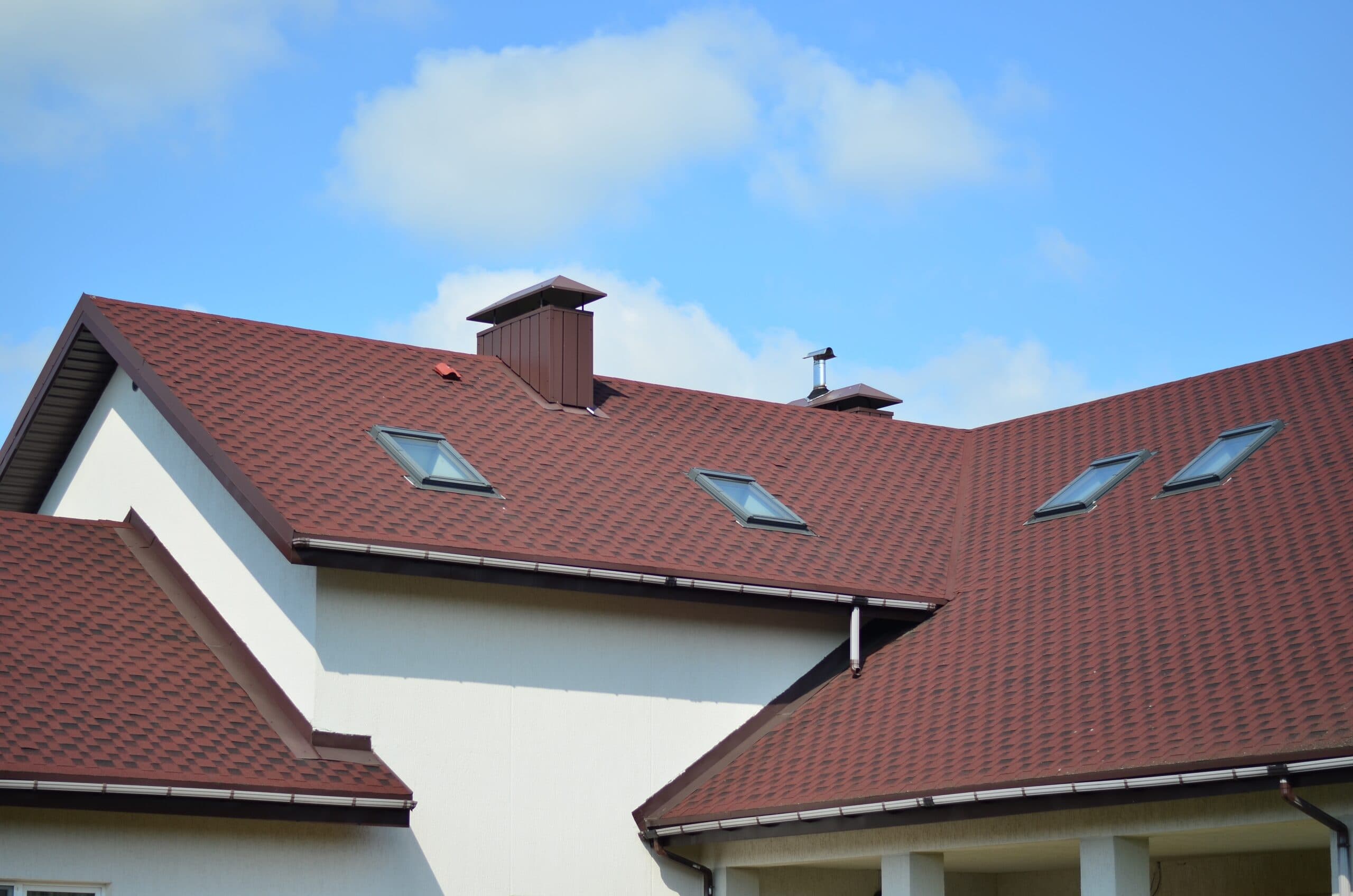
If you bought your NJ home with the roof already on it and you're trying to figure out how long it has left, the answer matters a lot — a five-figure replacement decision depends on whether you're looking at five more years or fifteen. Manufacturers will tell you their shingles last 30 years. Real-world data from NJ homes tells a different story. The actual lifespan depends on which shingle line was installed, what condition the original install was in, and — most importantly — what the attic underneath has been doing to the shingle over the years. Here's the honest picture for NJ specifically.
The Headline Numbers
Architectural asphalt shingles installed properly on a well-ventilated NJ roof typically last 22 to 28 years before reaching practical end-of-life — defined as the point where granule loss, seal failures, or repeated leak patterns make full replacement more economical than continued repair. Premium architectural lines on the best-cared-for roofs can stretch to 28-30 years. Cheaper builder-grade architectural runs 20-25. Three-tab shingles (which we don't recommend installing on primary residences) run 18-22 years.
Compare those to manufacturer warranties: typical 'lifetime limited' (which the industry uses to mean 30+ years or 'as long as you own the home') warranties really pay out on a pro-rated basis after the first 10–15 years. The marketing implies 30 years; the practical pro-rated coverage is meaningful for the first 10–15, then declines steeply.
What Determines Whether Your NJ Roof Hits the High or Low End
Two roofs with identical shingles on identical houses in the same NJ town can have 8-10 year differences in lifespan. The factors that actually drive this:
1. Attic Ventilation (the biggest single factor)
An attic that runs 30°F+ above outdoor temperature in summer ages the shingles above it 2-3× faster than a properly ventilated attic. We've covered ventilation problems extensively elsewhere; the short version: most NJ homes built before modern ventilation standards (much of the 1950s-70s housing stock) have ventilation that's marginal at best. Bringing it to code adds years to whatever roof goes on. Leaving it alone subtracts years from the next roof's life.
2. Storm and Hail Exposure
Every significant storm event causes some shingle aging — granule loss, lifted seal strips, occasional missing tabs. Roofs that have experienced multiple major storms during their lifetime age faster than sheltered roofs in the same neighborhood. NJ sees regular nor'easters and occasional severe summer thunderstorms; cumulative storm exposure over 25 years is one of the harder-to-control variables. Coastal NJ roofs see additional accelerated aging from salt-laden marine air.
3. Tree Cover
Tree cover is a mixed bag for asphalt longevity. Trees provide UV protection (slowing the basic aging mechanism) but cause other problems: chronic moisture from slow-drying shingles in shaded areas, algae and moss growth on north-facing slopes, falling branches that damage shingles, and clogged gutters that lead to ice dams. Net effect: heavy tree cover usually shortens roof life modestly (2-4 years) relative to similar homes without trees. Algae-resistant shingle lines (built-in zinc or copper granules) mitigate most of the moss/algae issue.
4. Quality of the Original Install
Installation defects shorten roof life in ways that don't show up until years later. Common install defects on NJ homes: improper nailing (nails in the wrong location or driven too deep/shallow), missing or thin ice-and-water shield at eaves and valleys, failed flashing details at chimneys and walls, inadequate ventilation paired with the new shingles, cheap felt underlayment instead of synthetic, and layovers (installing new shingles over old ones instead of tearing off). Install defects compound — a roof that started with mediocre install will reach end-of-life faster than the same shingles on a quality install.
5. Material Choice
Premium designer architectural lines (GAF Grand Sequoia, CertainTeed Presidential, Owens Corning Berkshire) often last 28-30+ years. Standard architectural (Timberline HDZ, Landmark, Duration) runs 25-28. Builder-grade architectural runs 20-25. Three-tab runs 18-22. The price difference between premium and builder-grade is usually 15-25%; the lifespan difference is 5-10 years. The lifecycle math favors premium more than the upfront price difference suggests.
How to Estimate Your Roof's Age and Remaining Life
If you didn't have the roof installed yourself and aren't sure how old it is:
- Check the closing documents from when you bought the house. Major roof work is typically disclosed.
- Check the manufacturer code on the back of a sample shingle (visible from the attic if you have a loose sample). The code includes a manufacturing date.
- Check town building department permit records for any prior roof permit at your address.
- Look at granule loss in your gutters — small amounts are normal, piles indicate later-life shingles.
- Look at the shingle surface — curling, cupping, generalized granule loss, or large bald spots indicate end-of-life.
- Have a roofer estimate during a free inspection — we can usually narrow age within 2-3 years from granule wear, seal strip condition, and visible UV degradation.
Signs Your Asphalt Roof Is Approaching End-of-Life in NJ
The most reliable indicators that an NJ asphalt roof has 1-5 years left vs. 10+:
- Curling shingle edges across multiple slopes — seal strips have lost their bond and shingles are no longer windproof.
- Cupping (center sagging on the shingle) — the mat has warped from heat and moisture.
- Bald spots where the asphalt mat is visible — granules are completely gone and the substrate is degrading.
- Multiple leaks in different roof areas over 12-24 months — the system is failing in patterns, not at a single point.
- Daylight pinpricks visible through the attic deck — active leak paths from the shingles down.
- Generalized darkness or weathering visible from the ground — the cumulative aging is now visible at a distance.
Any one of these doesn't necessarily mean replacement is imminent. Multiple together is the pattern that points to end-of-life.
When to Plan Replacement on a NJ Asphalt Roof
The right time to plan replacement is at year 18-22 of a typical 25-year roof — before active leaks force the decision and before insurance carriers start treating the roof as a coverage limitation. Reasons to plan ahead rather than reacting:
- Schedule flexibility — get bids during slow seasons (late fall, early spring) instead of being forced into peak-summer pricing.
- Better material selection — time to research, compare contractors, and choose what you want vs. what's available immediately.
- Insurance considerations — some NJ carriers tighten coverage on roofs older than 20 years and may deny storm-damage claims on roofs over 25.
- No interior damage — replacing before active leaks means no ceiling/drywall/insulation repair on top of roof cost.
The Real-World Math on NJ Asphalt Lifespan
If you're trying to budget for the next roof, here's a usable framework for NJ specifically:
- Roof under 10 years: probably 15+ years remaining. Maintain (clean gutters, address small repairs) and monitor.
- Roof 10-15 years: 10-15 years remaining. Schedule a professional inspection every 3-5 years to catch issues before they cascade.
- Roof 15-20 years: 5-10 years remaining on average; less on poorly ventilated houses. Start budgeting and getting comparison bids during the next slow season.
- Roof 20-25 years: 0-5 years remaining. Replacement is in the near future regardless of current condition.
- Roof over 25 years: replacement is overdue. The risk of a major leak event is high and insurance treatment changes around this age.
Free Roof Age Assessments
We provide free written assessments for any NJ homeowner that include current roof age estimate, expected remaining life, and a clear 'replace now / replace within X years / replace when issues develop' recommendation. The assessment is no-obligation — if your roof is fine, we tell you that and you have documentation that confirms it (useful at resale). If it's approaching end-of-life, you have a plan instead of an emergency. Call (201) 779-3961 or use our online quote form to schedule.
Last updated
Need Help With This?
We provide free, no-obligation inspections across New Jersey. Honest assessment, photo report, and a written estimate.