
·Process
Signs Your Roof Is Failing vs Just Dirty: How to Tell the Difference
Not every ugly-looking roof needs replacement. Some roofs that look terrible are structurally fine; some that look great are about to leak. Here's how to tell which is which without paying for an unnecessary roof.
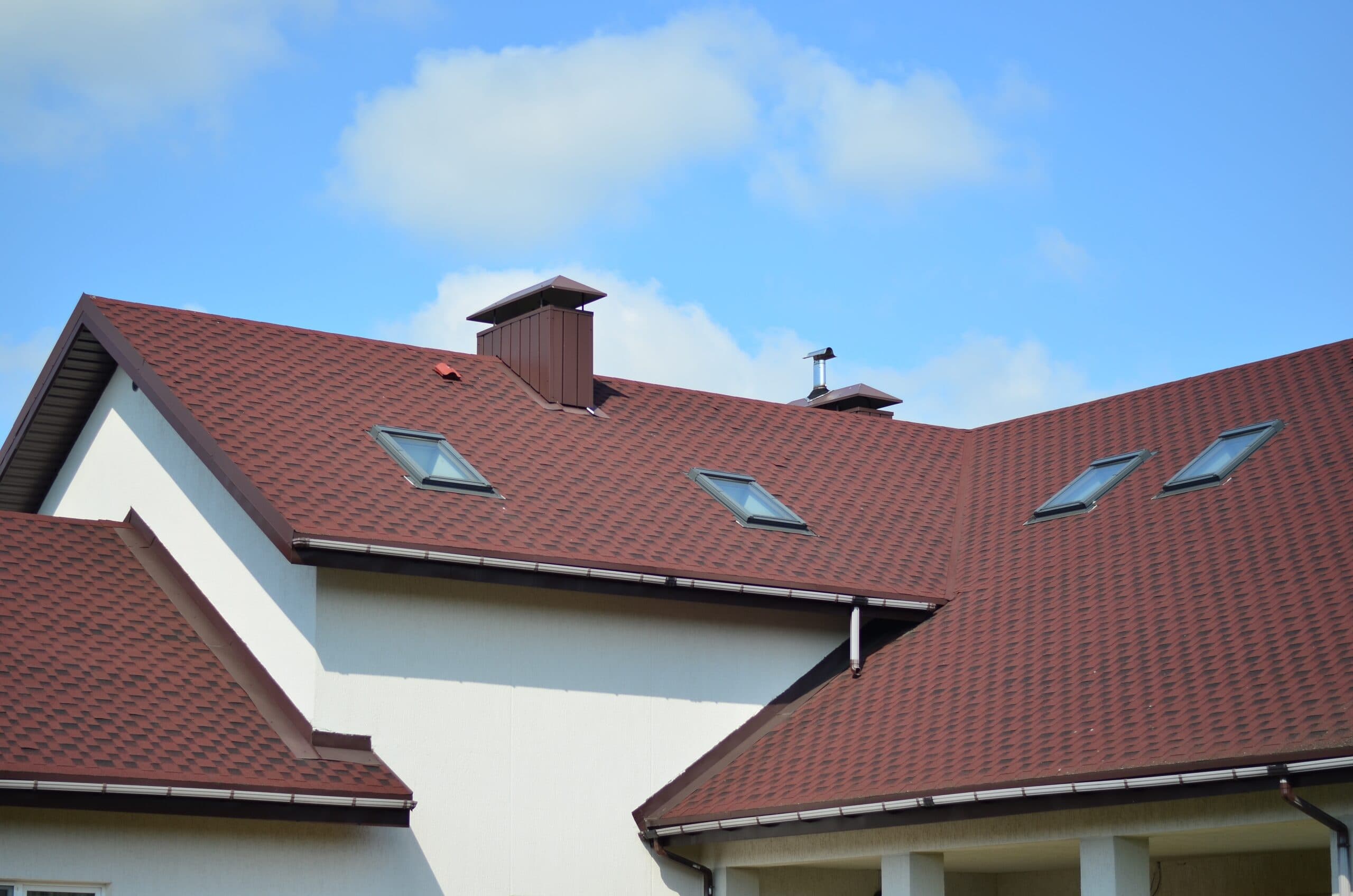
Some roofs look terrible but are structurally fine. Some roofs look great but are about to start leaking. Knowing the difference protects you from two opposite mistakes: paying for replacement when you just needed a cleaning, and ignoring real problems hidden under a tidy-looking surface.
This guide walks through how to distinguish cosmetic problems (which are essentially aesthetic and don't require roof work) from real structural failure signs (which need professional attention). Each category includes what to look for, why it matters, and what the appropriate response is.
Cosmetic Problems: Just Dirty, Not Failing
These issues look bad but don't affect the roof's waterproofing or structural function:
1. Black Streaks on North-Facing Slopes
Black streaks running down north-facing slopes are almost always algae growth — specifically Gloeocapsa magma, a slow-growing organism that thrives on shaded roof surfaces in humid climates. NJ has plenty of both, so algae is widespread on older roofs.
What it actually is: a thin biofilm growing on the shingle surface, feeding on the limestone filler used in older shingle manufacturing. It doesn't damage the shingles in any meaningful way — it just looks bad.
The fix: soft-wash cleaning with sodium hypochlorite solution (essentially diluted bleach). NEVER pressure-wash — pressure removes granules and damages the shingles. After cleaning, install zinc or copper strips at the ridge. Rain washes trace amounts of these metals down the roof, inhibiting future algae growth. The strips last decades and significantly reduce algae return.
Modern shingles with built-in algae resistance (StainGuard, StreakFighter, etc.) don't develop this problem in the first place. If you're replacing your roof, look for algae-resistant lines — most major manufacturers include this as standard now.
2. Moss on Shaded Areas
Similar to algae but visually different — moss grows in thick clumps rather than streaks, usually in areas with persistent shade and moisture. Common on north slopes under heavy tree cover.
What it actually is: actual moss plants establishing on the shingle surface. Unlike algae, moss can hold moisture against the shingle and slow drying, which over many years contributes to mild shingle degradation. So moss is somewhere between cosmetic and structural — annoying enough to address but not an emergency.
The fix: same soft-wash treatment as algae, plus physical removal of moss clumps before washing. Trim trees back if possible to reduce shade and improve drying. Install zinc strips at the ridge for ongoing prevention.
3. Faded Color
Asphalt shingles gradually fade from UV exposure over the years. A 10-year-old charcoal roof looks different from a 1-year-old charcoal roof — and that's normal, not a problem.
What it actually is: UV degradation of the granule color pigments. Doesn't affect waterproofing function; just changes aesthetic appearance.
The fix: there isn't one. Fading is purely cosmetic. If the appearance bothers you, replacement is the only option — but the roof is still functional.
4. Minor Granule Shedding
Some granule loss is normal:
- In the first few months after install, loose manufacturing granules wash off — this is expected and not concerning.
- Throughout the roof's life, occasional granules wash off and end up in the gutter — small amounts are fine.
- As the roof ages out toward end-of-life, granule loss accelerates and becomes a real failure indicator (see below).
What it actually is: in normal amounts, just incidental wear. The piles in your gutter from spring cleaning might look alarming but are usually fine on a roof under 15 years.
Real Failure Signs: Roof Is Failing
These signs indicate actual roof deterioration that needs professional attention — and progressing toward replacement:
1. Curled Shingle Edges Across Multiple Slopes
When shingles curl at their edges (lifting upward), they're losing the seal strip that originally bonded them to the row below. Once curled, wind can get under the shingle and lift it further, and water can flow underneath. Curling visible on multiple slopes indicates generalized aging, not a localized problem.
Action: get a professional inspection. Curled shingles can sometimes be heat-resealed in early stages, but widespread curling usually indicates end-of-life and replacement is the right call.
2. Cupping (Center Sagging) on Shingle Surfaces
Cupping is when the center of each shingle sags downward, like a shallow bowl. It happens when the shingle mat has warped from heat and moisture exposure — typically a sign that the asphalt binder has degraded significantly and the shingles are at end-of-life.
Action: cupping isn't reversible. Plan replacement within the next 1–3 years.
3. Bald Spots Where Granules Are Gone
Localized bald spots — areas where you can see the dark asphalt mat instead of the granular surface — indicate specific damage. Causes include hail impact (creates dimpled bald spots in concentrated patterns), branch impact, or focused weathering.
Generalized granule loss across multiple slopes — visible from the ground and confirmed by significant granule piles in the gutter — indicates the roof is aging out and replacement is needed.
Action: localized bald spots from storm damage may be repairable or insurance-covered. Generalized granule loss means full replacement. Get a professional inspection to determine which case applies.
4. Algae Penetrating Into the Shingle (Not Just Surface)
Different from surface algae streaking — when you look closely, the algae appears to be growing into the shingle rather than just on top of it, the shingle structure itself is degrading. The asphalt has become soft enough to admit biological growth.
Action: replacement. By this point the shingle mat is compromised and even an aggressive cleaning won't restore function.
Failure Signs Visible from a Ladder
Some signs require closer inspection from a ladder (not walking on the roof):
- Lifted or missing tabs that you didn't notice from the ground.
- Failed pipe boots or vent flashing — the rubber gaskets are visibly cracked, split, or pulled away from the pipe.
- Step flashing pulled away from masonry at chimneys.
- Daylight visible between shingle courses where seal strips have completely failed.
- Visible nail heads pushing up through shingles ('nail pops').
- Soft spots when probed gently with a screwdriver near eaves (indicates deck rot).
Any of these indicates a real problem that needs professional attention. Don't ignore them.
Failure Signs Only Visible from the Attic
Some of the most expensive problems show up first in the attic — before they become visible on the ceiling or from outside:
- Active staining on the underside of the deck. Touch with a finger — still damp means active leak; fully dry might be old.
- Wet, matted, or moldy insulation in localized areas. Indicates ongoing water entry above.
- Visible mold or mildew on the deck — black, green, or white patches.
- Daylight pinpricks through the deck or seam separations.
- The smell of moisture, mildew, or musty odor in the attic space.
- Frost on the underside of the deck on cold mornings (indicates ventilation problems).
These are often the most expensive problems caught earliest. Address them quickly — by the time they reach the visible side of the ceiling, the damage scope has expanded significantly.
Quick Decision Framework
Use this matrix to decide what to do:
- Cosmetic only (algae, moss, fading) → cleaning and zinc strips. No urgency.
- Real failure signs from the ground (curling, cupping, bald spots, penetrating algae) → professional inspection within a few weeks. Plan replacement timing.
- Failure signs from a ladder (lifted tabs, failed flashings) → professional inspection within days. Spot repairs may be sufficient if roof is otherwise young.
- Failure signs in the attic (active staining, wet insulation, daylight pinpricks) → professional inspection immediately. These often indicate the most expensive damage if left unaddressed.
- Multiple categories at once → likely end-of-life. Get inspection and start planning replacement.
Free Honest Inspections at Tri-State
We don't charge for assessments in our NJ service area — and we tell homeowners honestly when their roof is just dirty and needs a cleaning vs. when it actually needs work. Building trust through honest assessments is how we get the next 20 years of referrals on the block. Plenty of inspections end with us telling the homeowner 'your roof is fine, just needs a wash' — and we'd rather give that real answer than oversell.
If you can't tell whether what you're seeing is cosmetic or structural, get a free inspection. We'll walk the roof, check the attic, look at every detail, and give you a written report with photos. Call (201) 779-3961 or use our online quote form.
Last updated
Need Help With This?
We provide free, no-obligation inspections across New Jersey. Honest assessment, photo report, and a written estimate.